A Business Owner's Policy, usually shortened to BOP, bundles general liability insurance together with commercial property coverage in a single policy, typically at a lower combined cost than buying both separately. Standalone general liability covers only third party injury and property damage claims, with no protection for your own building, equipment, or inventory. Businesses with a physical location, equipment, or inventory worth protecting usually benefit from a BOP, while businesses with no physical assets to insure often do not need the bundle at all.
What a BOP Includes
A BOP combines two coverages that most businesses with a physical footprint need anyway: general liability, which protects against third party injury and property damage claims, and commercial property insurance, which protects your own building, equipment, furniture, and inventory against events like fire, theft, and certain weather damage. Many BOP policies also include business interruption coverage, which replaces lost income if a covered event forces you to temporarily close.
Insurers price the bundle below what the same two coverages would cost purchased separately, which is the main financial argument for choosing a BOP over standalone general liability whenever both coverages are genuinely needed. The tradeoff is that a BOP is not customizable in the same way as buying each policy individually, so a business with unusual property needs may still end up buying additional standalone coverage on top of the bundle.
What Standalone General Liability Covers
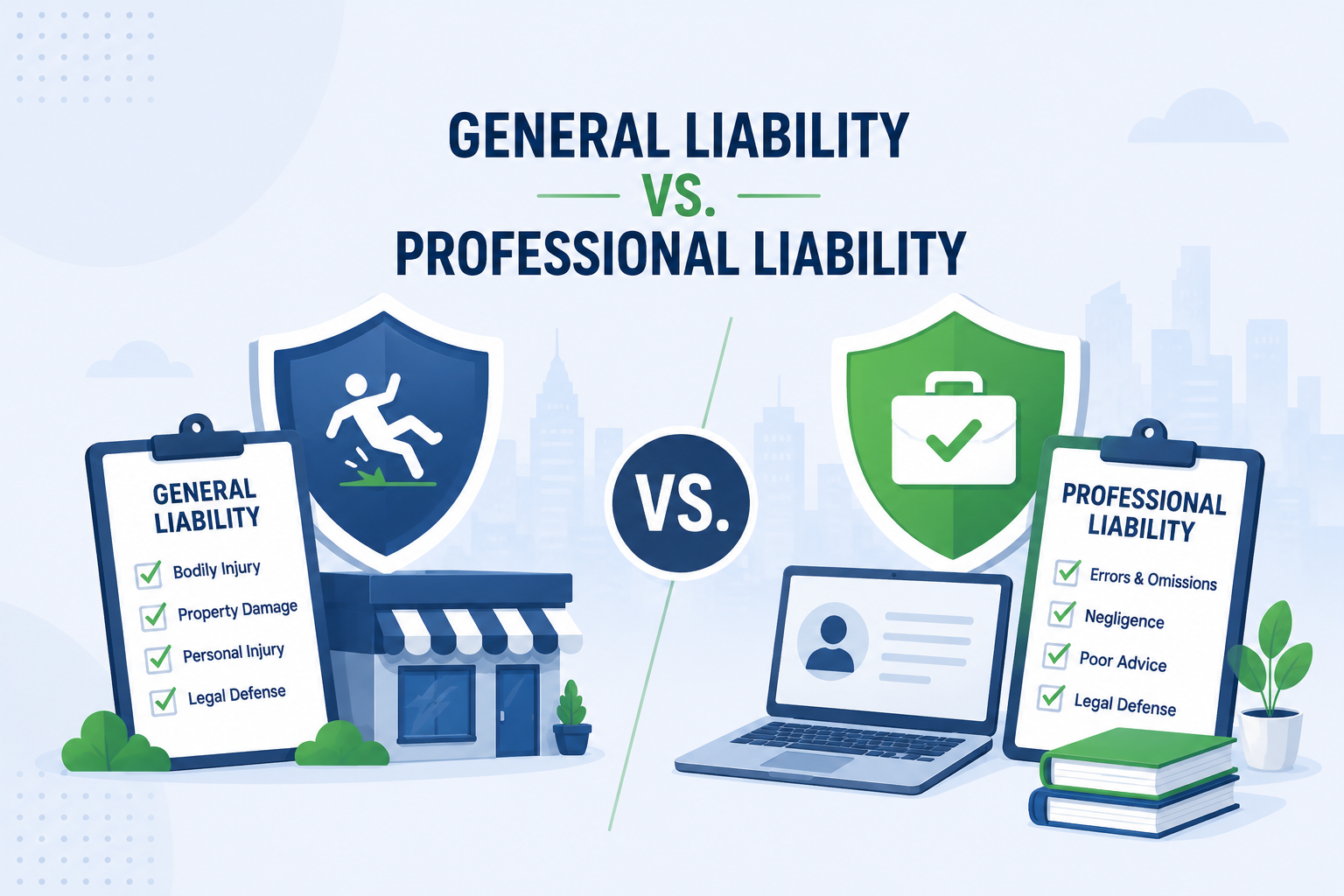
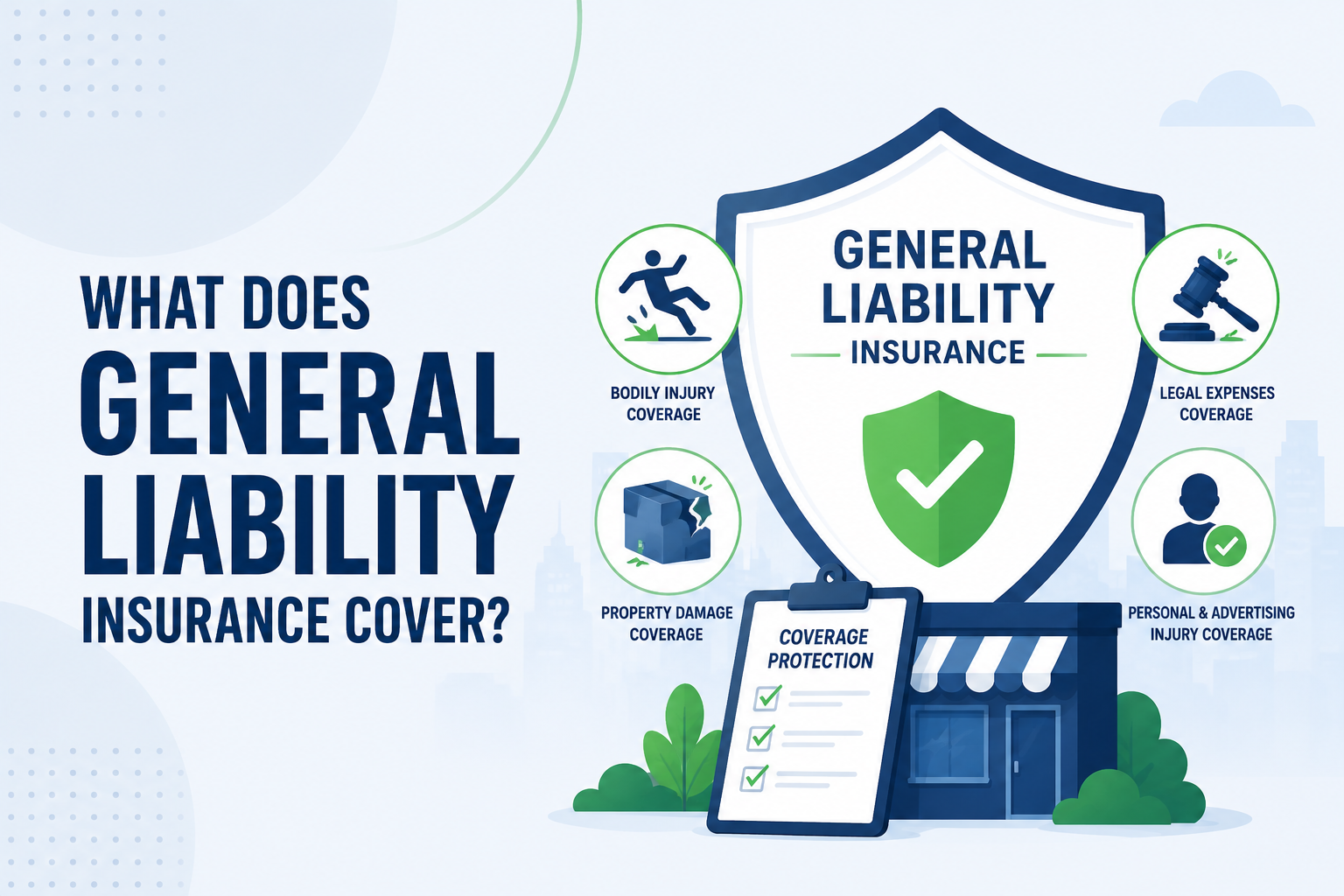
Standalone general liability covers exactly what its name suggests: third party bodily injury, property damage you cause to someone else, and certain advertising related claims, along with the legal defense costs if a covered claim leads to a lawsuit. It does not cover damage to your own building or equipment under any circumstance, since that risk sits entirely outside what general liability is designed to protect. For the full breakdown of what this policy covers and excludes, see what general liability insurance covers.
This matters because some business owners assume general liability offers broader protection than it actually does. A standalone GL policy leaves your physical assets completely exposed, which is exactly the gap a BOP is built to close.
Table of Contents
Emily Foster
Insurance Policy Analyst
Emily Foster writes insurance comparison content at InsuranceBlip. Her work explains costly decisions like minimum versus full coverage and term versus whole life, helping readers choose coverage based on their situation rather than guesswork.
Three categories cover most of the legally mandated coverage a business will encounter.
Standalone General Liability
Business Owner's Policy (BOP)
Covers
Bodily iaThird party injury and property damage onlynjury, property damage, advertising claims
General liability plus your own commercial property
Protects your building or equipment
No
No
Typical annual cost
$500 to $1,500
$800 to $2,500
Best for
Businesses with no physical location or assets to insure
Businesses with a location, equipment, or inventory
Business interruption coverage
Not included
Often included or available as an add-on
Real-World Scenarios
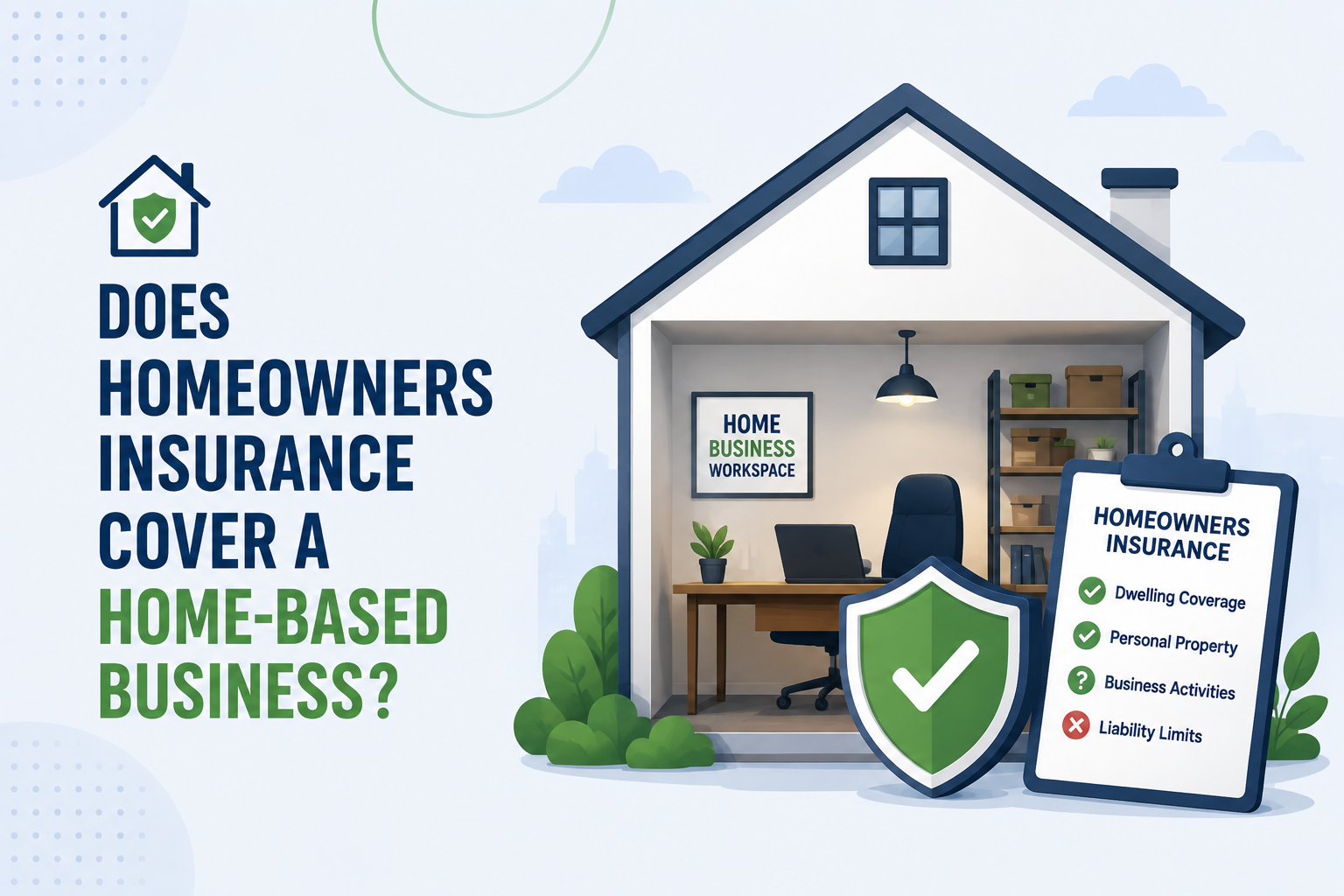
A standalone general liability scenario. A freelance marketing consultant works entirely from home with no employees, no office lease, and no physical inventory. A client visits and trips over a cable, injuring their wrist. This is a straightforward bodily injury claim, and standalone general liability handles it completely. There is no commercial building or equipment for a BOP to protect in this situation, so the bundle would add cost without adding meaningful value.
A BOP scenario. A small retail shop leases a storefront, carries several thousand dollars of inventory, and has foot traffic throughout the day. A kitchen fire in the building next door spreads and damages the shop's storefront and a portion of its inventory, forcing the business to close for repairs. A standalone general liability policy would do nothing here, since the damage is to the business's own property, not a third party's. A BOP would cover the property damage and, if business interruption coverage is included, the lost income while the shop is closed.
The pattern is straightforward: if your business has physical property worth protecting, a BOP addresses a real gap that standalone general liability leaves completely open.
Get An Estimate Of Business Insurance Cost
Estimate general liability and small business insurance costs based on your industry, business size, and coverage needs.
Standalone general liability alone is often enough for businesses with no physical location, no significant equipment, and no inventory, such as many freelancers, consultants, and fully remote service businesses. In these cases, there is simply no commercial property for a BOP's property coverage to protect, so paying for the bundle adds cost without adding real protection.
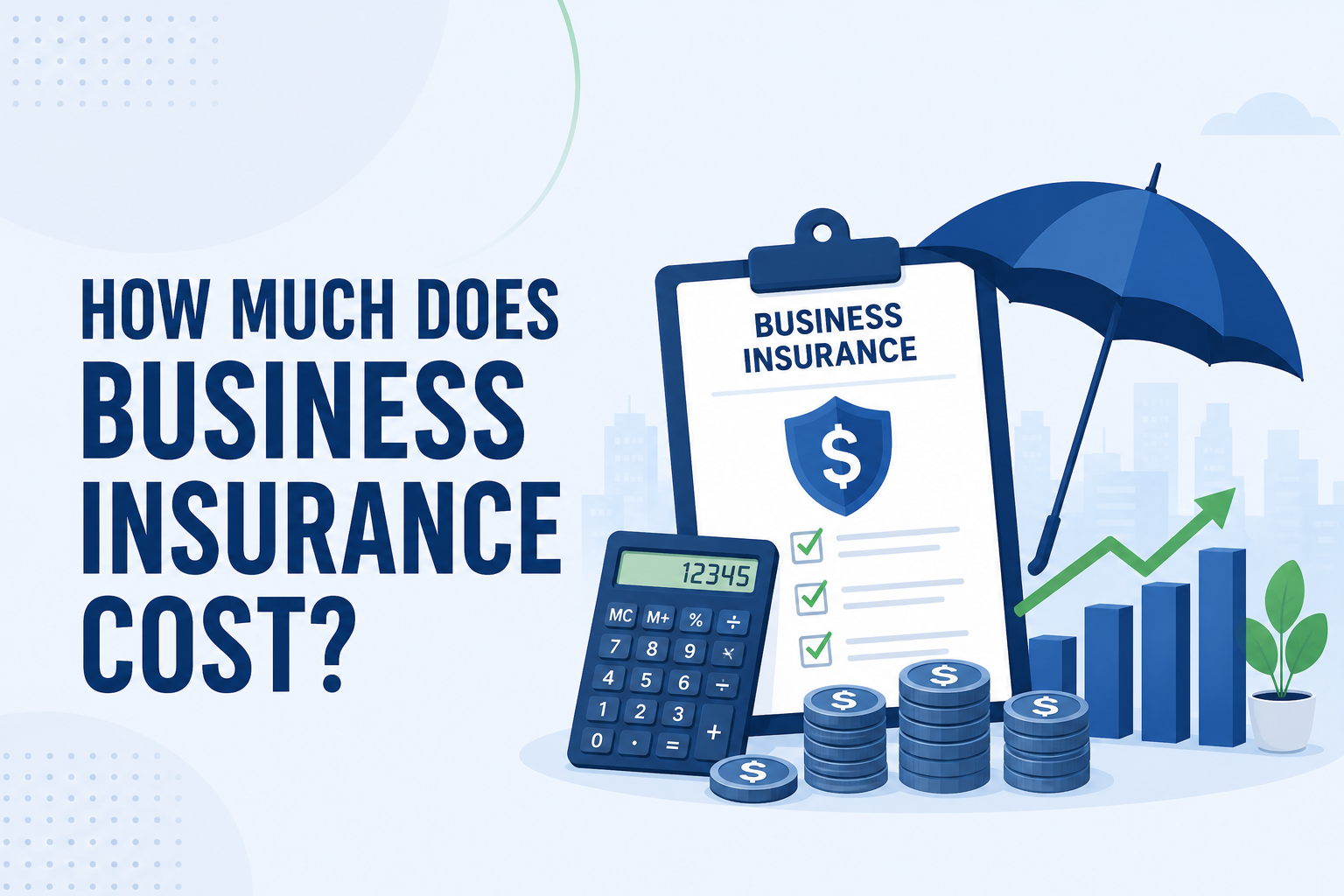
A full BOP makes more sense once a business has a lease, owns equipment, carries inventory, or otherwise has physical assets that a fire, theft, or weather event could damage. For these businesses, the math usually favors the bundle, since the combined BOP premium tends to cost less than buying general liability and a separate commercial property policy on their own. If you are still working out your total expected cost across policies, see how much business insurance costs for a fuller breakdown, or return to the Business Insurance hub to see how this decision fits into your overall coverage picture.
Usually yes, when a business genuinely needs both general liability and commercial property coverage. Insurers price the bundle below the combined cost of buying each policy standalone, which is the primary financial reason to choose a BOP over separate policies whenever both coverages apply to your situation.
What size business needs a BOP?
There is no revenue or employee count threshold that determines this. The deciding factor is whether the business has a physical location, equipment, or inventory to protect, not its size. A small one person retail shop with a leased storefront may need a BOP just as much as a larger business with the same kind of physical footprint.
Can you upgrade from GL to a BOP later?
Yes. Many businesses start with standalone general liability and add a BOP once they lease a location, purchase equipment, or build up inventory worth protecting. Insurers generally allow this transition at any point, and it is a common step as a business grows from a home based or fully remote operation into one with a physical presence.
Match the Policy to Your Physical Footprint
The choice between standalone general liability and a full BOP comes down to one question: does your business have physical property that a fire, theft, or weather event could damage? If the answer is no, standalone general liability is likely sufficient on its own. If the answer is yes, a BOP typically protects more at a lower combined cost than buying the coverages separately, making it the more practical choice for most businesses with a physical location.
Use our free tools to estimate insurance costs before you shop. No personal information required just straight forward estimates.
Auto Insurance Calculator
Estimate your car insurance costs based on your age range, driving history, vehicle type, coverage level, & location. Understand how each factor affects your premium.
Life Insurance Needs Calculator
Calculate how much life insurance coverage your family might need based on your income, debts, and financial goals.
Health Insurance Estimator
Understand how premiums, deductible, out-of-pocket costs vary across different plans. Useful for comparing coverage options during enrollment or life change.
Business Insurance Estimator
Estimate general liability and small business insurance costs based on your industry, business size, and coverage needs.
Homeowners Insurance Calculator
Estimate how much homeowners insurance might cost based on your property value, location, and coverage needs.
Travel Insurance Calculator
Estimate trip protection costs based on your destination, trip duration, and the type of coverage you need.