Replacement Cost vs Actual Cash Value

The Choice That Decides What Your Claim Actually Pays

The Short Answer

Replacement cost coverage pays what it actually costs to repair or replace damaged property at today's prices, with no deduction for age or wear. Actual cash value coverage pays the depreciated value of that same property, meaning the payout is reduced based on how old and worn the item was at the time of the loss. The two can produce dramatically different payouts for the exact same claim, which makes this one of the more consequential coverage decisions a homeowner makes, even though it rarely gets as much attention as choosing a coverage limit.

How Replacement Cost Coverage Works

Under replacement cost coverage, your insurer pays what it would cost to repair or rebuild the damaged property using materials and labor at current prices, regardless of how old the damaged item or structure was. If a fifteen year old roof is destroyed, replacement cost coverage pays what a new roof of similar quality costs today, not a reduced amount reflecting the old roof's age.

This is generally the more valuable form of coverage, since it means you are not left absorbing a gap between what your insurer pays and what it actually costs to restore your property to its pre loss condition. It typically costs more in premium than actual cash value coverage, since the insurer is taking on the risk of paying full current prices rather than a depreciated amount.

Estimate Your Home Insurance Cost

Get a quick home insurance cost estimate based on your home value, location, property age, coverage level, and deductible.

Emily Foster
Insurance Policy Analyst
Emily Foster writes insurance comparison content at InsuranceBlip. Her work explains costly decisions like minimum versus full coverage and term versus whole life, helping readers choose coverage based on their situation rather than guesswork.

Payout Comparison Table

Replacement Cost Actual Cash Value
What it pays Full cost to repair or replace at current prices Replacement cost minus depreciation
Accounts for item age No Yes
Typical premium Higher Lower
Payout gap risk Minimal Can be significant on older items
Best for Homeowners who want a full rebuild funded Homeowners prioritizing lower premium over full payout

How Actual Cash Value Coverage Works

Actual cash value coverage pays the replacement cost of damaged property minus depreciation, which accounts for the item's age, condition, and expected lifespan at the time of the loss. Using the same fifteen year old roof example, if a new equivalent roof costs fifteen thousand dollars and insurers typically depreciate roofing over a twenty year expected lifespan, the payout might reflect only the remaining value left in that roof, which could be a fraction of the replacement cost.

This creates a real gap between the payout and what it actually costs to replace the item, since materials and labor are priced at current rates regardless of how much the insurer's depreciation calculation reduces the payout. Actual cash value coverage costs less in premium, which is the primary reason some homeowners choose it or find it as the default on their policy, particularly for older homes.

Real-World Scenarios

Which Should You Choose?

For most homeowners, replacement cost coverage is worth the additional premium, since the gap actual cash value can leave on an older roof, HVAC system, or major appliance can be substantial, often thousands of dollars on a single claim. The additional premium for replacement cost coverage is typically modest compared to the size of the potential payout gap it closes.

Actual cash value coverage can make sense for homeowners specifically trying to minimize premium cost and who have the financial ability to absorb a potential gap if a major claim occurs, or for certain older structures where an insurer may only offer actual cash value as an option regardless of preference. It is worth confirming which basis your policy actually uses, since some homeowners assume they have replacement cost coverage by default when their policy is actually written on an actual cash value basis for some or all categories.


Browse Insurance Guides

Insurance Basics Guides
Insurance Cost Guides
Insurance Comparison Guides
Insurance Coverage Guides

Insights From Recent Articles

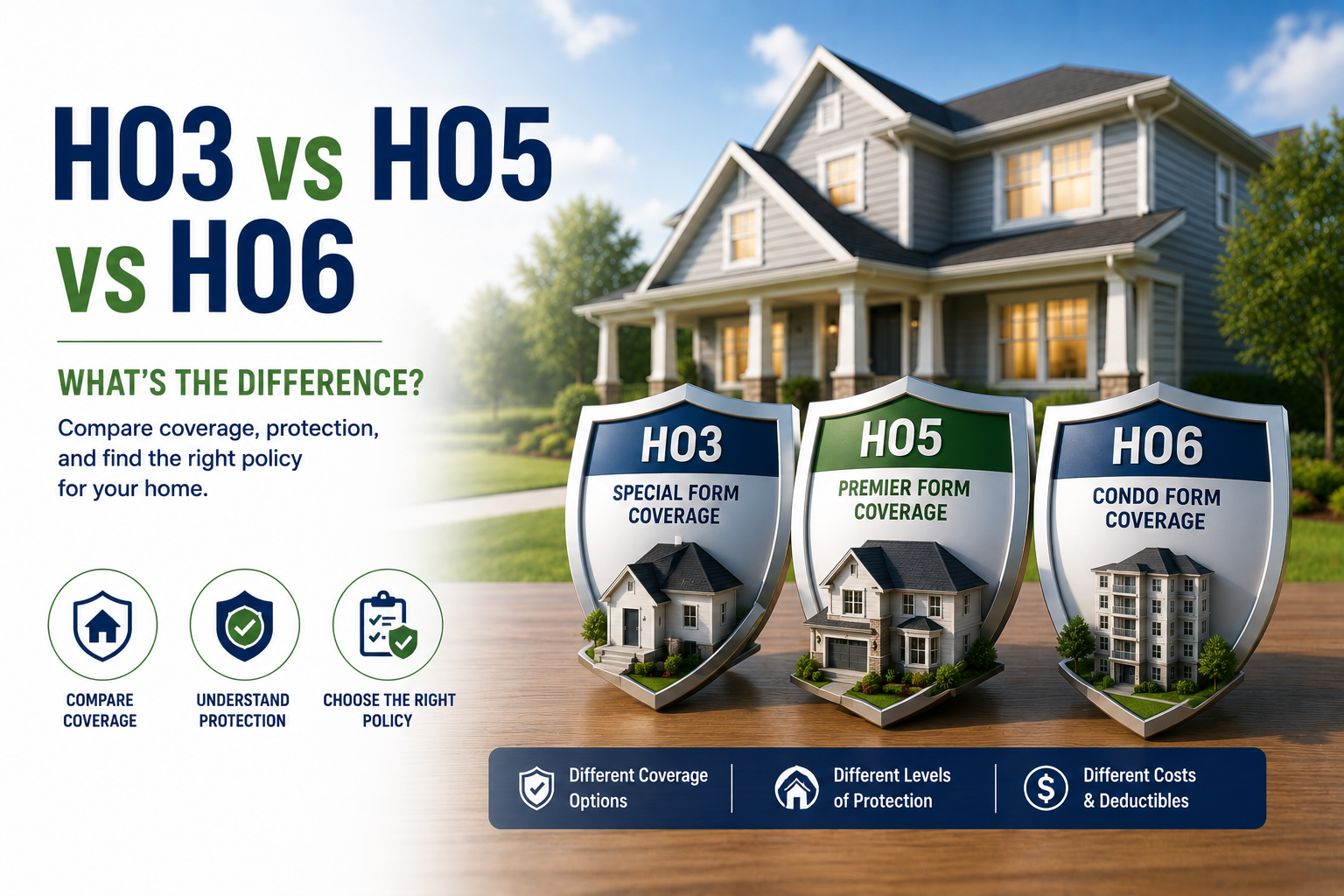
ho3 vs ho5 vs ho6
HO-3 vs HO-5 vs HO-6
what does homeowners insurance cover
What Does Homeowners Insurance Cover
Does Home Insurance Cover Flood Damage
how much does homeowners insurance cost
How Much Does Homeowners Insurance Cost
what is home insurance
What Is Home Insurance

Explore By Insurance Types

Auto Insurance
Business Insurance
Health Insurance
Home Insurance
Life Insurance
Travel Insurance

Frequently Asked Questions

Does replacement cost cost more?

Yes, generally. Replacement cost coverage typically carries a higher premium than actual cash value coverage, since the insurer is agreeing to pay full current repair or replacement costs rather than a depreciated amount. The premium difference is usually modest relative to the size of the payout gap it closes, which is why most insurance professionals recommend it for most homeowners.

Which one do most homeowners policies default to?
This varies by insurer and by coverage category. Dwelling coverage is commonly written on a replacement cost basis by default in many standard policies, while personal property coverage sometimes defaults to actual cash value unless replacement cost is specifically selected or added. Confirming the specific basis for each coverage category on your own policy is worth doing directly with your insurer rather than assuming.
Can I switch from ACV to replacement cost?

In most cases, yes. Homeowners can typically request a change from actual cash value to replacement cost coverage at renewal, sometimes with a corresponding premium adjustment or a brief inspection requirement, particularly for older homes or roofs. See HO-3 vs HO-5 vs HO-6 for how this choice interacts with your overall policy type, since some policy forms handle this differently than others.

A Quiet Decision With a Loud Impact on Claims

Replacement cost versus actual cash value rarely gets the same attention as choosing a coverage limit or a deductible, but it directly determines how much of a real loss your insurance actually covers. The difference is largest on older items and structures, exactly where a homeowner can least afford a large out of pocket gap. Confirming which basis your policy actually uses, category by category, is a five minute conversation with your insurer that can prevent a significant surprise at the worst possible time. For the fuller picture of what your policy covers across every category, see what homeowners insurance covers.

Trusted Insurance Resources

See What Full Replacement Cost Coverage Would Cost You

Get a personalized estimate that accounts for the coverage basis that fits your home.

Try Home Insurance CalculatorExplore Insurance Guides

At A Galance

Insurance Tools & Estimators

Use our free tools to estimate insurance costs before you shop. No personal information required just straight forward estimates.

Auto Insurance Calculator

Estimate your car insurance costs based on your age range, driving history, vehicle type, coverage level, & location. Understand how each factor affects your premium.

Life Insurance Needs Calculator

Calculate how much life insurance coverage your family might need based on your income, debts, and financial goals.

Health Insurance Estimator

Understand how premiums, deductible, out-of-pocket costs vary across different plans. Useful for comparing coverage options during enrollment or life change.

Business Insurance Estimator

Estimate general liability and small business insurance costs based on your industry, business size, and coverage needs.

Homeowners Insurance Calculator

Estimate how much homeowners insurance might cost based on your property value, location, and coverage needs.

Travel Insurance Calculator

Estimate trip protection costs based on your destination, trip duration, and the type of coverage you need.