Menu
Real Numbers by Policy Type and Business Type
Most small businesses pay somewhere between five hundred and three thousand dollars a year for general liability insurance alone, with the total cost climbing significantly higher once workers' compensation, commercial property, and other coverages are added. There is no single average that applies across every business, because the price depends heavily on your industry, your revenue, your number of employees, and your claims history If you have not yet confirmed which coverages your business actually needs, our guide on whether business insurance is required is worth reading first..
A solo consultant with no employees and no physical location will pay a fraction of what a construction contractor with a dozen workers pays for the same core coverage types. Both businesses need insurance, but the risk profile behind each one is completely different, and pricing reflects that directly.
Each type of business insurance is priced separately, and most businesses carry a combination rather than a single policy.
| Policy Type | Typical Annual Cost |
|---|---|
| General Liability | $500 – $1,500 |
| Business Owner's Policy (BOP) | $800 – $2,500 |
| Professional Liability (E&O) | $500 – $3,000 |
| Workers' Compensation | $500 – $5,000 |
| Commercial Auto | $1,200 – $2,400 |
| Cyber Liability | $800 – $2,000 |
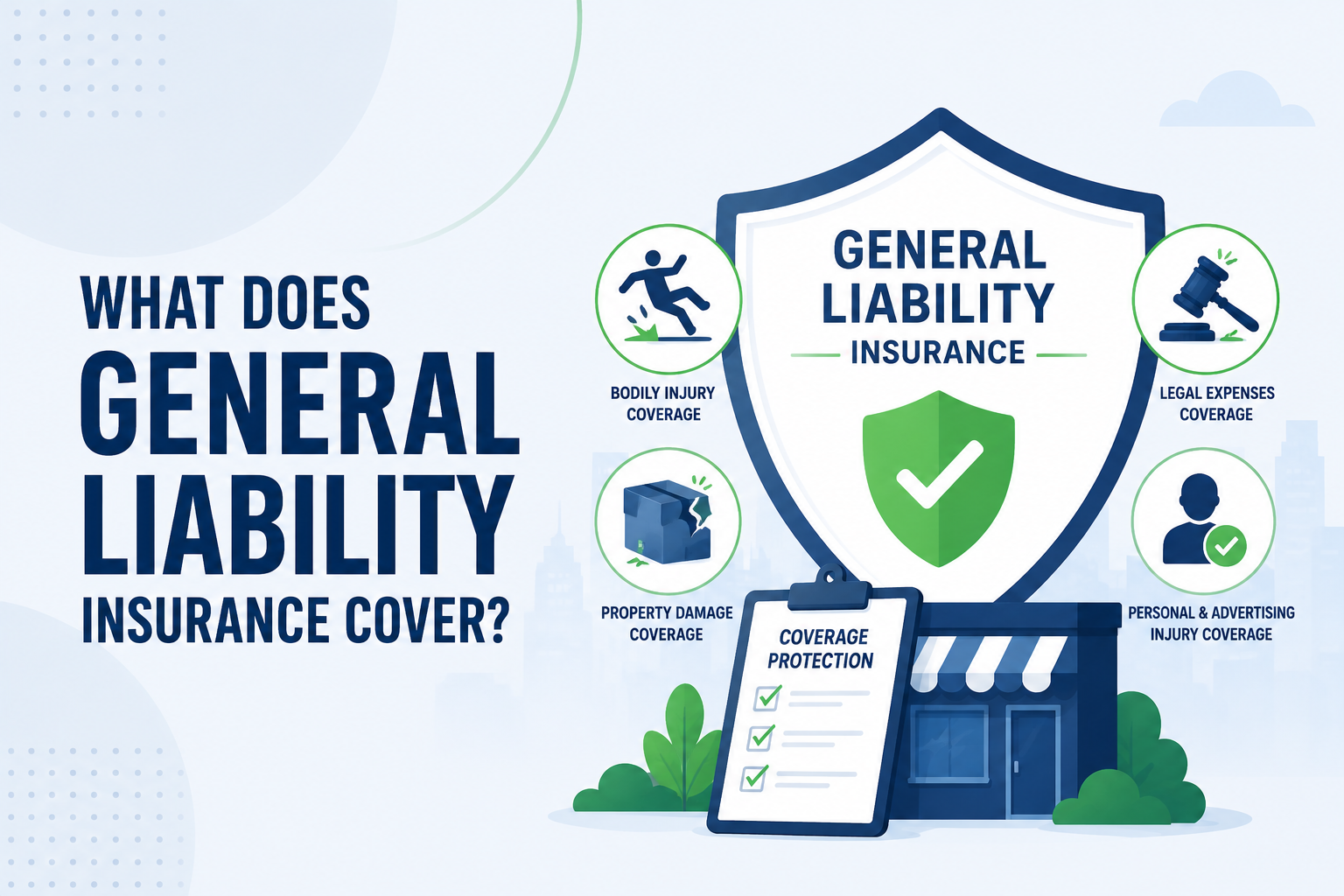
Workers' compensation carries the widest range of any policy type on this list, and for good reason. The cost is calculated from your payroll multiplied by an industry specific class rate, so a low risk office job and a high risk warehouse job produce very different premiums even at the same payroll level. For a full breakdown of what your general liability premium actually pays for, see what general liability insurance covers.
Table of Contents
Rather than looking only at policy type, it often helps to see how total cost changes based on the kind of business you run. The figures below reflect typical costs for a small business under ten employees and under five hundred thousand dollars in annual revenue.
These figures are estimates based on typical industry averages. Actual premiums depend on your specific claims history, location, payroll, and the coverage limits you select.
Insurance companies evaluate several specific factors when calculating your premium, and understanding them helps explain why two businesses in the same industry can pay very different amounts.
Several practical steps can meaningfully reduce what you pay without leaving your business underinsured.
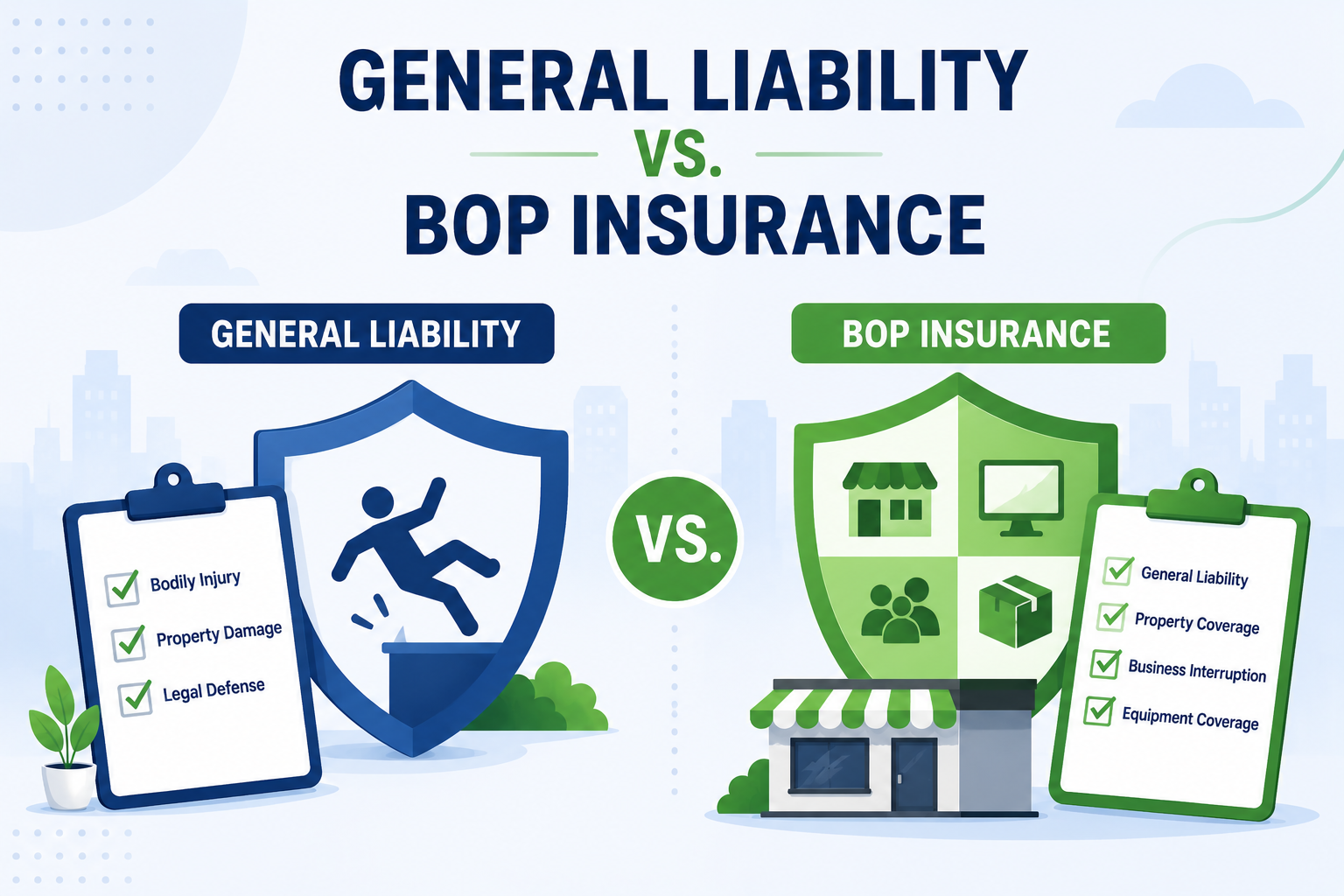
Bundling policies into a Business Owner's Policy instead of buying general liability and commercial property separately typically saves money, since insurers price the bundle below the combined cost of standalone policies. See our full General Liability vs BOP comparison if you are deciding between the two.. Raising your deductible lowers your premium in exchange for accepting more risk yourself if a claim occurs, the same tradeoff that applies to auto and home insurance. Maintaining a clean claims history over several years often qualifies a business for loyalty discounts or a more favorable rate at renewal. Comparing quotes from multiple insurers before renewing is one of the most effective steps available, since pricing for the same coverage can vary noticeably between insurers even for an identical risk profile. Finally, accurately classifying your employees' job duties for workers' compensation purposes ensures you are not paying a higher class rate than your actual risk warrants.
The easiest way to determine what insurance your business actually needs is to look at four things: where you operate, whether you have employees, what type of work you perform, and the contracts you have signed.
Start with your state's insurance and workers' compensation requirements, then check any rules attached to your professional or business license. If you use vehicles for work, confirm whether commercial auto coverage is required rather than assuming a personal policy will protect you.
Finally, review your lease agreements, client contracts, and financing documents for minimum coverage limits or additional insured requirements. Taking these steps gives you a much clearer picture of which policies are legally mandatory, which are required to keep doing business, and which are optional protections worth considering based on the financial risks your business faces.
These are national averages. Your actual cost depends on your specific industry, location, revenue, and coverage choices.
Most small businesses pay between five hundred and one thousand five hundred dollars a year for a standalone general liability policy, though the exact cost depends heavily on industry and revenue. Low risk businesses such as consultants and freelancers often pay toward the lower end of that range, while businesses with more customer foot traffic or higher liability exposure pay closer to the upper end.
In most cases, yes. Business insurance premiums are generally deductible as an ordinary business expense, the same way rent or utilities are, though the specific rules can depend on your business structure and how the coverage is used. Consult a tax professional for guidance specific to your situation, since insurance guidance and tax guidance are different areas of expertise.
Business insurance cost is not a fixed figure the way a subscription price might be. It is a calculation built from your specific industry, revenue, employee count, and risk profile, which is exactly why the ranges above span so widely. The most useful next step is not memorizing an average but getting a specific estimate based on your own business, since that is the number that actually matters when you are budgeting for coverage.
Skip the averages and get an estimate based on your own industry, size, and coverage needs.
Try Business Insurance CalculatorExplore Insurance GuidesAt A Galance
Use our free tools to estimate insurance costs before you shop. No personal information required just straight forward estimates.
Estimate your car insurance costs based on your age range, driving history, vehicle type, coverage level, & location. Understand how each factor affects your premium.
Calculate how much life insurance coverage your family might need based on your income, debts, and financial goals.
Understand how premiums, deductible, out-of-pocket costs vary across different plans. Useful for comparing coverage options during enrollment or life change.
Estimate general liability and small business insurance costs based on your industry, business size, and coverage needs.
Estimate how much homeowners insurance might cost based on your property value, location, and coverage needs.
Estimate trip protection costs based on your destination, trip duration, and the type of coverage you need.
© 2026 InsuranceBlip. All rights reserved. Website created & managed by Infolytics.