

Car insurance prices vary widely. In June 2026, national analyses placed average monthly costs at roughly $68 for minimum coverage and $225 for full coverage, but age, state, driving record, vehicle, coverage limits, deductibles, and insurer can move an individual quote far above or below those benchmarks.
A national average is only a starting point. This guide breaks costs down by coverage level, selected states, age, and driver profile so you can compare like-for-like estimates and understand the factors that affect your own premium.
Use our free calculator to estimate potential costs based on age, vehicle type, and coverage level.
Table of Contents

Based on Bankrate’s June 2026 rate analysis, the national average is about $225 per month ($2,697 per year) for full coverage and $68 per month ($820 per year) for minimum coverage. These are sample-driver averages, not quotes; your price can differ substantially.
Using the June 2026 national benchmarks above, full coverage averages about $157 more per month than minimum coverage. Whether the added protection is worth it depends on your vehicle’s market value, any loan or lease requirements, and whether you could absorb a major repair or replacement bill. Not sure how much coverage you need? How Much Auto Insurance Coverage Do You Actually Need? →
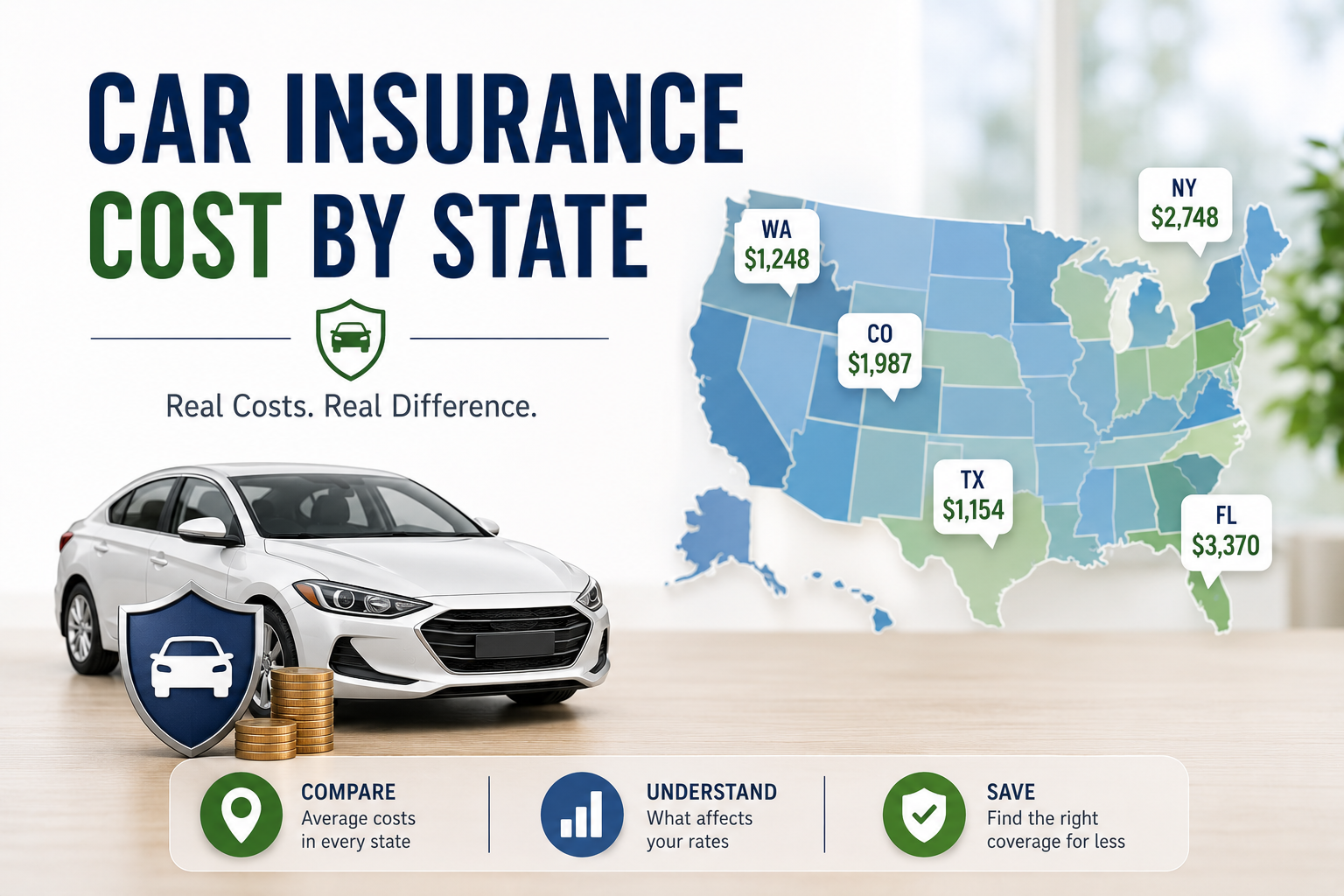
Location is one of the single biggest factors in what you pay. Drivers in Maine pay less than half what drivers in Florida pay for the same coverage level.
Florida
$228
Louisiana
$276
Michigan
$316
California
$250
New York
$307
Arizona
$213
Virginia
$237
Ohio
$189
Vermont
$121
Maine
$136
The selected-state figures below use Experian’s June 2026 full-coverage averages; annual figures were divided by 12 and rounded to the nearest dollar. They are benchmarks, not quotes. State regulations, claim frequency, repair costs, weather, theft, uninsured-driver rates, and local medical costs can all affect premiums. Click here to see full detail of car insurance cost by state
Young drivers pay significantly more because insurers consider them statistically higher risk. Rates typically stabilize around age 25 and remain relatively flat through middle age before rising slightly again for older drivers.
The difference between an 18-year-old and a 40-year-old on the same policy, in the same state, can exceed $200 per month.
Most states allow insurers to use sex or gender to some degree when setting auto rates, while California, Hawaii, Massachusetts, Michigan, Montana, North Carolina, and Pennsylvania prohibit or restrict its use. State rules and exceptions can change; verify current requirements through your state insurance department.
Young male drivers are statistically more likely to be involved in serious accidents, which is reflected directly in higher premiums. By age 25, the gender gap narrows significantly and largely disappears by age 30 in most states.

The decision between minimum and full coverage is one of the most consequential cost decisions a driver makes. Here is what each option typically costs and what each one actually covers.
At the June 2026 national averages used in this guide, full coverage costs about $157 more per month than minimum coverage. Your actual difference may be much smaller or larger. Consider your vehicle’s current value, deductible, savings, lender requirements, and the amount you could afford to lose after a theft or crash.
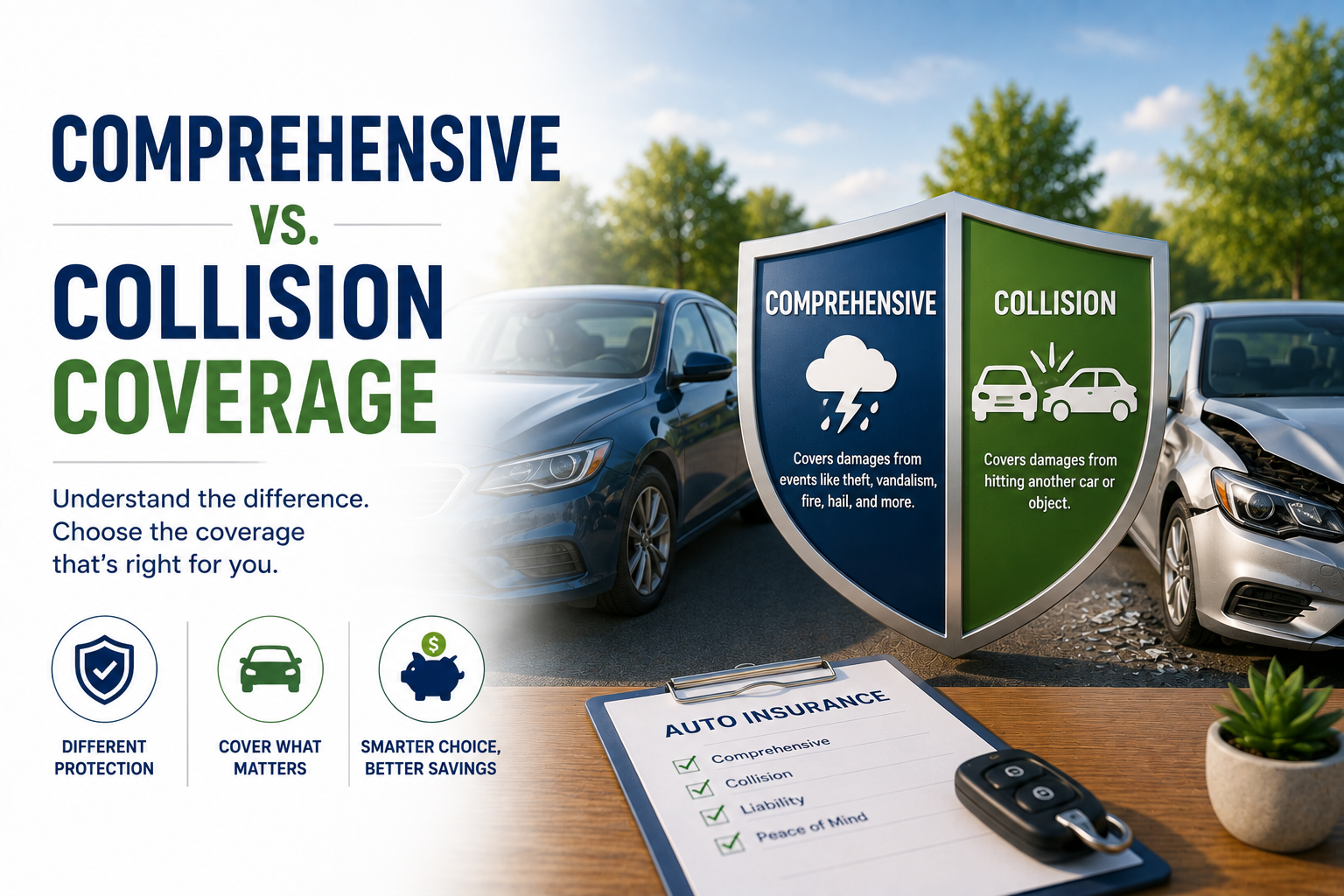
Before removing collision or comprehensive, compare the annual premium for those coverages with the vehicle’s value minus your deductible. Also remember that minimum coverage generally protects other people and property—not damage to your own vehicle.
Not sure which one is right for you? Minimum vs Full Coverage Auto Insurance →
Your monthly premium is not random. Insurers run your profile through a rating formula that weighs up to ten separate factors. Here are the ones that move the number the most.
Want the full picture on every factor? 10 Factors That Affect Your Auto Insurance Rates →
To make these numbers more concrete, here is what monthly full coverage premiums typically look like across different real-world driver profiles at the national average level.
These estimates assume a mid-range vehicle (standard sedan or SUV), a $500 deductible, and full coverage. State-level pricing will shift these figures substantially Florida and Louisiana drivers should expect to add 40–60%; Maine and Vermont drivers can typically subtract 30–40%.



Use our free calculator to estimate potential costs based on age, vehicle type, and coverage level.
If your current monthly premium feels too high or you simply want to pay less than you currently do these are the actions that produce the most consistent and measurable results.
Insurers reprice risk constantly. A rate that was competitive when you first signed up may no longer be the best available option today particularly if you have improved your credit, had an old violation fall off your record, moved to a lower-risk area, or aged past a key pricing threshold like 25. The average reported savings from switching insurers is $400–$700 per year.
Increasing your deductible from $500 to $1,000 can reduce your monthly premium by 10–15% on average. This only makes sense if you have savings available to cover the higher out-of-pocket cost when you do file a claim. For drivers with a solid emergency fund, a higher deductible is one of the most direct ways to reduce your monthly bill without changing coverage level.
Most major insurers offer multi-policy discounts of 5–25% when you combine auto and home, auto and renters, or auto and life insurance under the same provider. If you currently have your auto and home insurance with different companies, getting a bundled quote from each provider is worth the time investment.
Many policyholders consistently pay more than they need to simply because they never ask about available discounts. Common ones: safe driver, low mileage (under 7,500 miles/year), good student (GPA 3.0+), defensive driving course completion, anti-theft device, paperless billing, and autopay enrollment. Not every insurer advertises these proactively ask directly.
If your credit score is in the poor or fair range, improving it is one of the most significant long-term ways to reduce your car insurance monthly cost in the states where credit-based insurance scoring is permitted. Moving from a poor score (below 580) to a good score (above 670) can reduce your annual premium by $500–$1,000 or more.
If you are paying for full coverage on a vehicle worth $5,000 or less, the math may no longer favour you. Calculate your vehicle's current market value, subtract your deductible, and compare that net figure to what you pay annually for collision and comprehensive alone. If the gap is small, dropping those components could save you $60–$100 per month.
See all 12 strategies with detailed how-to instructions: How to Lower Auto Insurance Costs
The tables above give you a realistic baseline but your actual rate depends on the specific combination of your profile, vehicle, location, and coverage choice. The most accurate way to estimate your monthly cost before getting a real quote is to use a calculator that takes the key inputs into account.
Try Auto Insurance CalculatorExplore Insurance GuidesYou may also find these tools helpful:
© 2026 InsuranceBlip. All rights reserved. Website created & managed by Infolytics.