Comprehensive vs Collision Coverage

Two Coverages, Two Very Different Types of Damage

The Short Answer

Comprehensive coverage protects your vehicle against damage from events other than a collision, such as theft, vandalism, weather, and hitting an animal. Collision coverage protects your vehicle against damage from an actual collision, whether with another vehicle or an object, regardless of who is at fault. Both are optional coverages you add on top of liability insurance, and together they are what most people mean when they refer to full coverage. For the complete breakdown of what auto insurance includes overall, see what does auto insurance cover.

What Comprehensive Covers

Comprehensive coverage handles damage to your own vehicle from causes that are not a collision with another vehicle or object. This includes theft of the vehicle itself, vandalism, fire, falling objects such as a tree branch, hail and other weather related damage, and collisions with an animal such as a deer. The common thread across all of these is that none of them involve your car colliding with another car or a fixed object in the way collision coverage is specifically designed to address.

Comprehensive coverage typically carries a lower premium than collision coverage, since the types of losses it covers tend to occur less frequently for most drivers than an actual collision does, though this varies by region and by how much theft or severe weather risk exists in your specific area.

Estimate Your Auto Insurance Cost

Use our free calculator to estimate potential costs based on age, vehicle type, and coverage level.

Emily Foster
Insurance Policy Analyst
Emily Foster writes insurance comparison content at InsuranceBlip. Her work explains costly decisions like minimum versus full coverage and term versus whole life, helping readers choose coverage based on their situation rather than guesswork.

Coverage Comparison Table

Comprehensive Collision
Covers Theft, vandalism, weather, animal collisions, fire Collisions with another vehicle or object
Fault relevant No No, pays regardless of fault
Typical cost relative to the other Generally lower Generally higher
Required for Often required if the vehicle is financed or leased Often required if the vehicle is financed or leased
Payout basis Vehicle's actual cash value Vehicle's actual cash value

What Collision Covers

Collision coverage pays for damage to your own vehicle when it collides with another vehicle or an object, such as a guardrail, a parked car, or a tree, regardless of who caused the accident. This is the key distinction from liability coverage, which only pays for damage you cause to someone else. Collision coverage pays for repairs to your own vehicle even in an accident that is entirely your fault, or in a single vehicle accident with no other party involved at all.

Because collision claims tend to be more frequent and often involve higher repair costs than the events comprehensive coverage handles, collision typically carries a higher premium. Both coverages are subject to your vehicle's actual cash value, meaning if your car is severely damaged and the repair cost exceeds what the car is currently worth, the insurer will typically total the vehicle and pay out its value instead of covering the full repair.

Real-World Scenarios

Do You Need Both?

Most lenders and leasing companies require both comprehensive and collision coverage for as long as you have a loan or lease on the vehicle, since the lender has a financial interest in the car and wants it fully protected against a broad range of losses. Once a vehicle is paid off, carrying both becomes optional, and the decision often comes down to the vehicle's value relative to the combined premium cost of both coverages.

For a newer or higher value vehicle, carrying both typically makes financial sense, since the potential repair or replacement cost from either a collision or a comprehensive event would be significant relative to the premium. For an older vehicle with a low market value, some drivers choose to drop one or both coverages, since the maximum payout is capped at the vehicle's actual cash value, which may not be much higher than several years of the combined premium. For the fuller comparison between minimum coverage and carrying comprehensive and collision as part of full coverage, see minimum vs full coverage, and use our Auto Insurance Calculator to see what each option would actually cost for your specific vehicle.


Browse Insurance Guides

Insurance Basics Guides
Insurance Cost Guides
Insurance Comparison Guides
Insurance Coverage Guides

Insights From Recent Articles

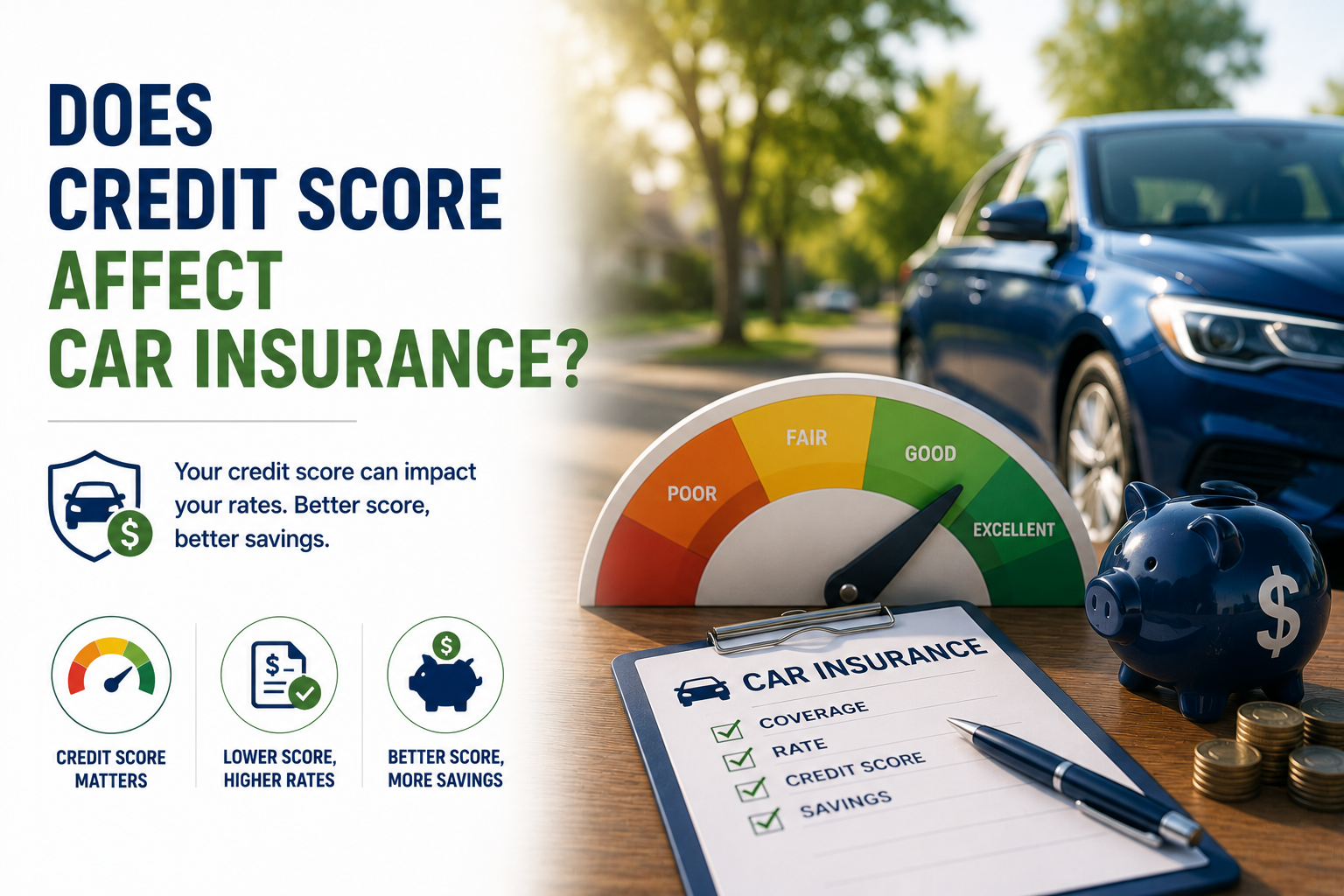
Does Credit Score Affect Your Car Insurance Rate
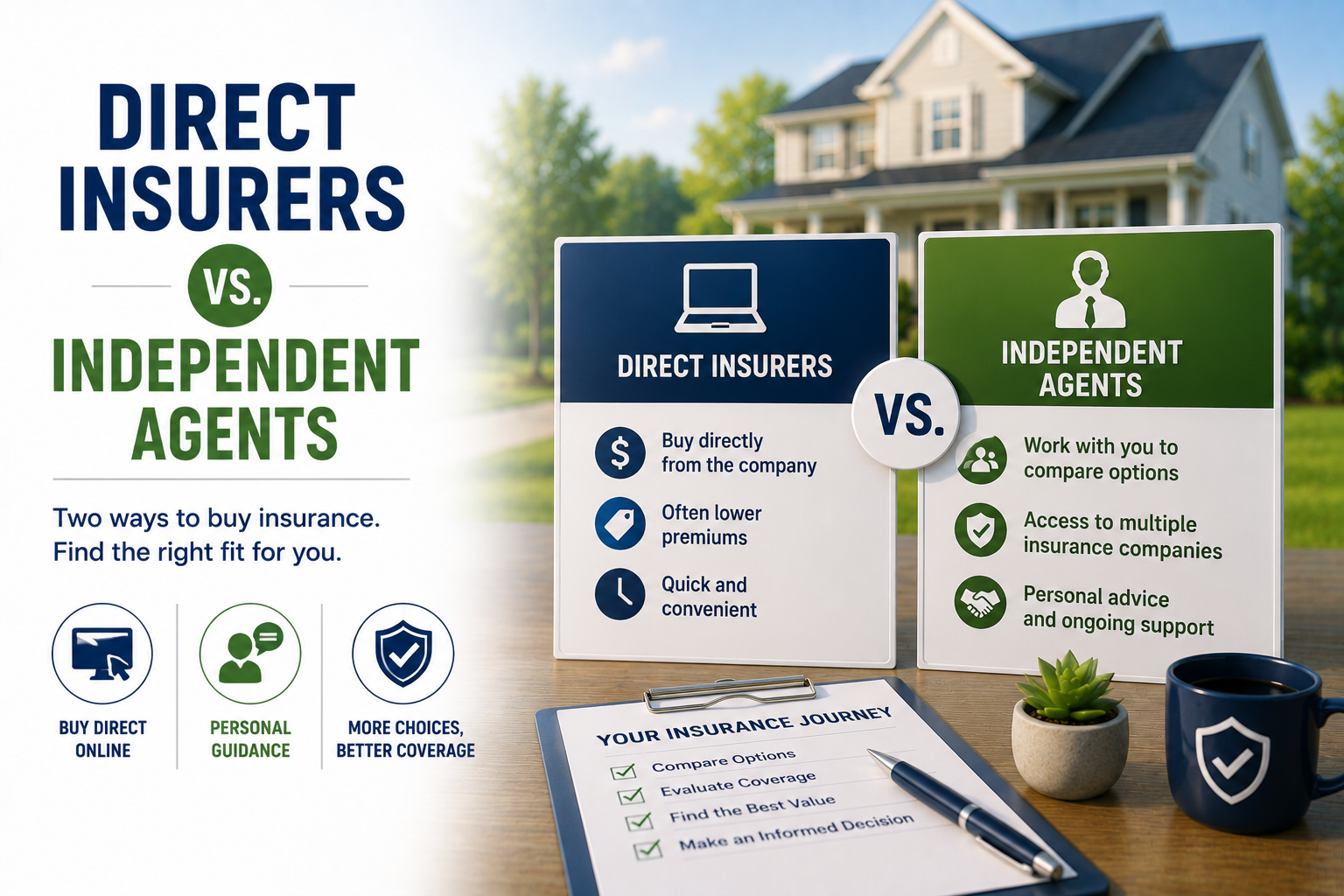
Direct Insurers vs Independent Agents
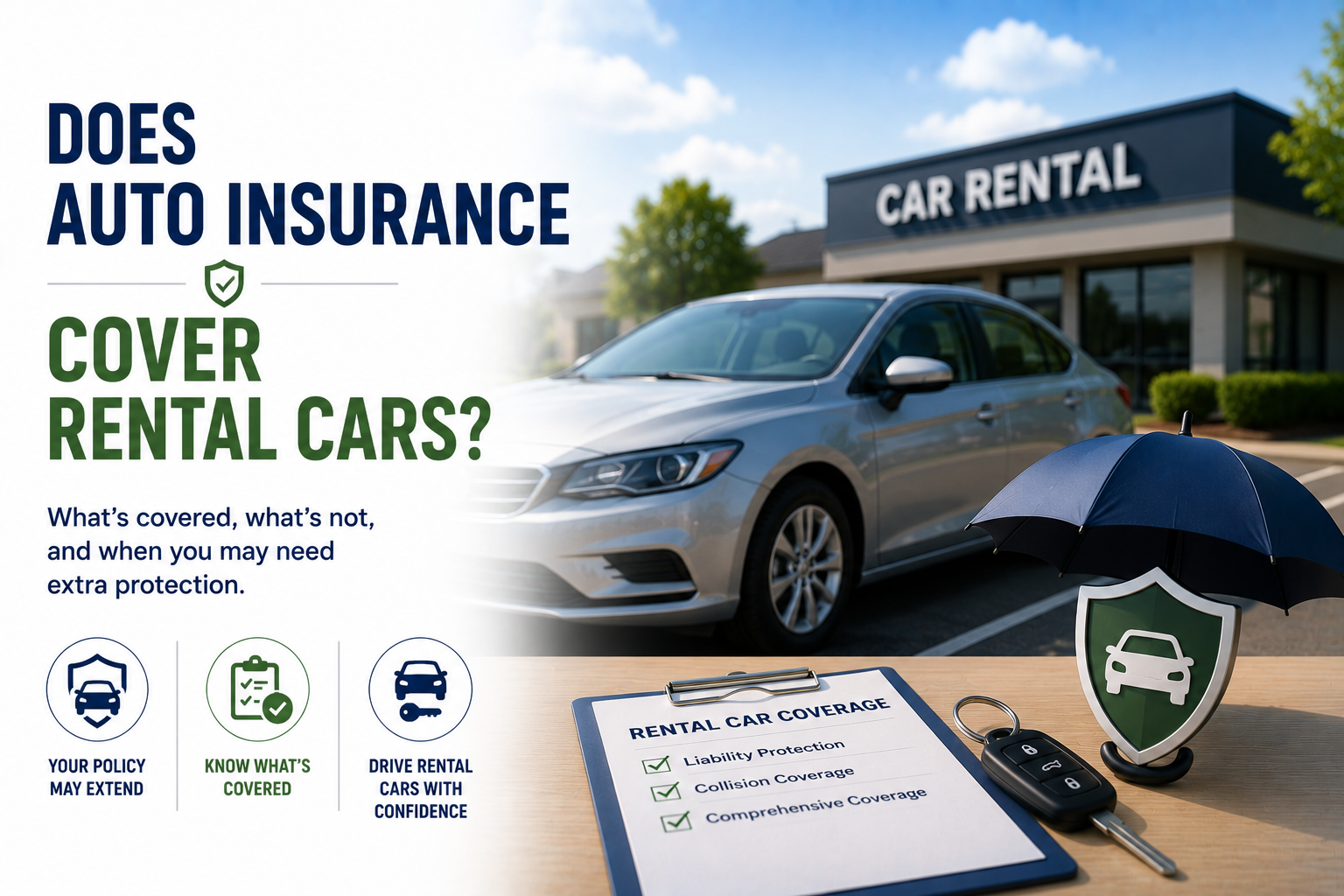
Does Auto Insurance Cover Rental Cars
replacement cost vs actual cash value
Replacement Cost vs Actual Cash Value
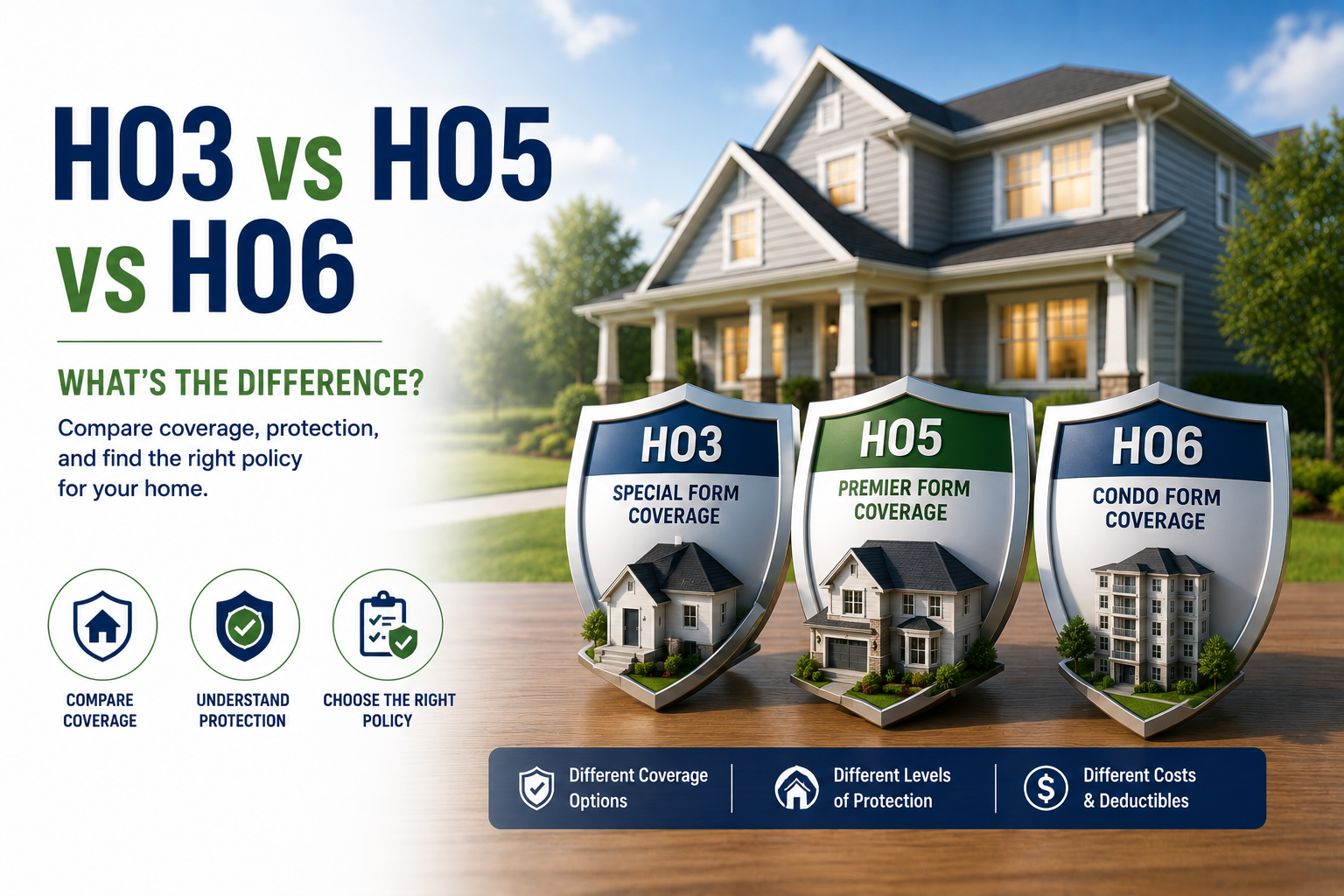
ho3 vs ho5 vs ho6
HO-3 vs HO-5 vs HO-6

Explore By Insurance Types

Auto Insurance
Business Insurance
Health Insurance
Home Insurance
Life Insurance
Travel Insurance

Frequently Asked Questions

Is comprehensive or collision more expensive?

Collision coverage is typically more expensive than comprehensive coverage for most drivers, since collision claims tend to occur more frequently and often involve higher repair costs. This can vary by region, particularly in areas with high theft rates or severe weather, where comprehensive premiums can rise closer to or occasionally above collision premiums.

Does comprehensive cover theft?
Yes. Theft of the entire vehicle, as well as theft of parts or contents such as a stereo system, falls under comprehensive coverage rather than collision, since theft does not involve a collision with another vehicle or object.
Can I drop collision on an older car?

Yes, once the vehicle is paid off and no longer required by a lender, dropping collision coverage is a legitimate option many drivers choose for older, lower value vehicles. The key consideration is whether the vehicle’s actual cash value, which caps any potential payout, still justifies the ongoing premium cost, since a very low value vehicle may not be worth insuring against a total loss the same way a newer vehicle is.

Different Coverage for Different Kinds of Damage

Comprehensive and collision coverage are not competing options where one replaces the other, but two distinct protections addressing entirely different causes of loss. Collision handles the aftermath of an actual crash, while comprehensive handles nearly everything else that can damage a vehicle outside of a collision. Whether you need one, both, or neither depends primarily on whether your vehicle is financed and how its current value compares to the combined cost of carrying both coverages.

See What Full Coverage Would Cost for Your Vehicle

Compare comprehensive and collision costs based on your specific car and driving profile.

Try Auto Insurance CalculatorExplore Insurance Guides

At A Galance

Insurance Tools & Estimators

Use our free tools to estimate insurance costs before you shop. No personal information required just straight forward estimates.

Auto Insurance Calculator

Estimate your car insurance costs based on your age range, driving history, vehicle type, coverage level, & location. Understand how each factor affects your premium.

Life Insurance Needs Calculator

Calculate how much life insurance coverage your family might need based on your income, debts, and financial goals.

Health Insurance Estimator

Understand how premiums, deductible, out-of-pocket costs vary across different plans. Useful for comparing coverage options during enrollment or life change.

Business Insurance Estimator

Estimate general liability and small business insurance costs based on your industry, business size, and coverage needs.

Homeowners Insurance Calculator

Estimate how much homeowners insurance might cost based on your property value, location, and coverage needs.

Travel Insurance Calculator

Estimate trip protection costs based on your destination, trip duration, and the type of coverage you need.