Menu
Get a personalized life insurance premium estimate based on your age, health rating, coverage amount, and policy type.
Estimate your monthly premium based on your specific profile. No personal information required.
Important: This calculator provides an educational estimate only. Actual premiums are determined by insurer underwriting, medical exam results, and specific policy features.
How It Works
This tool estimates your monthly life insurance premium based on your age, health rating, desired coverage amount, policy type, and tobacco use, using standard actuarial pricing patterns.
Life insurance premiums are calculated primarily around mortality risk for term policies, with an added savings component built into whole life pricing. Age and health rating are the two factors that most directly reflect this risk, which is why they influence pricing more than almost any other input.
The calculator does not require personal information and does not generate quotes from insurance companies.
Factors
Premiums rise with age for every policy type, since age is one of the most direct proxies for mortality risk that insurers use.
Premiums scale roughly proportionally with coverage amount, though not always in a perfectly linear way, since underwriting and policy fees can affect smaller and larger policies differently.
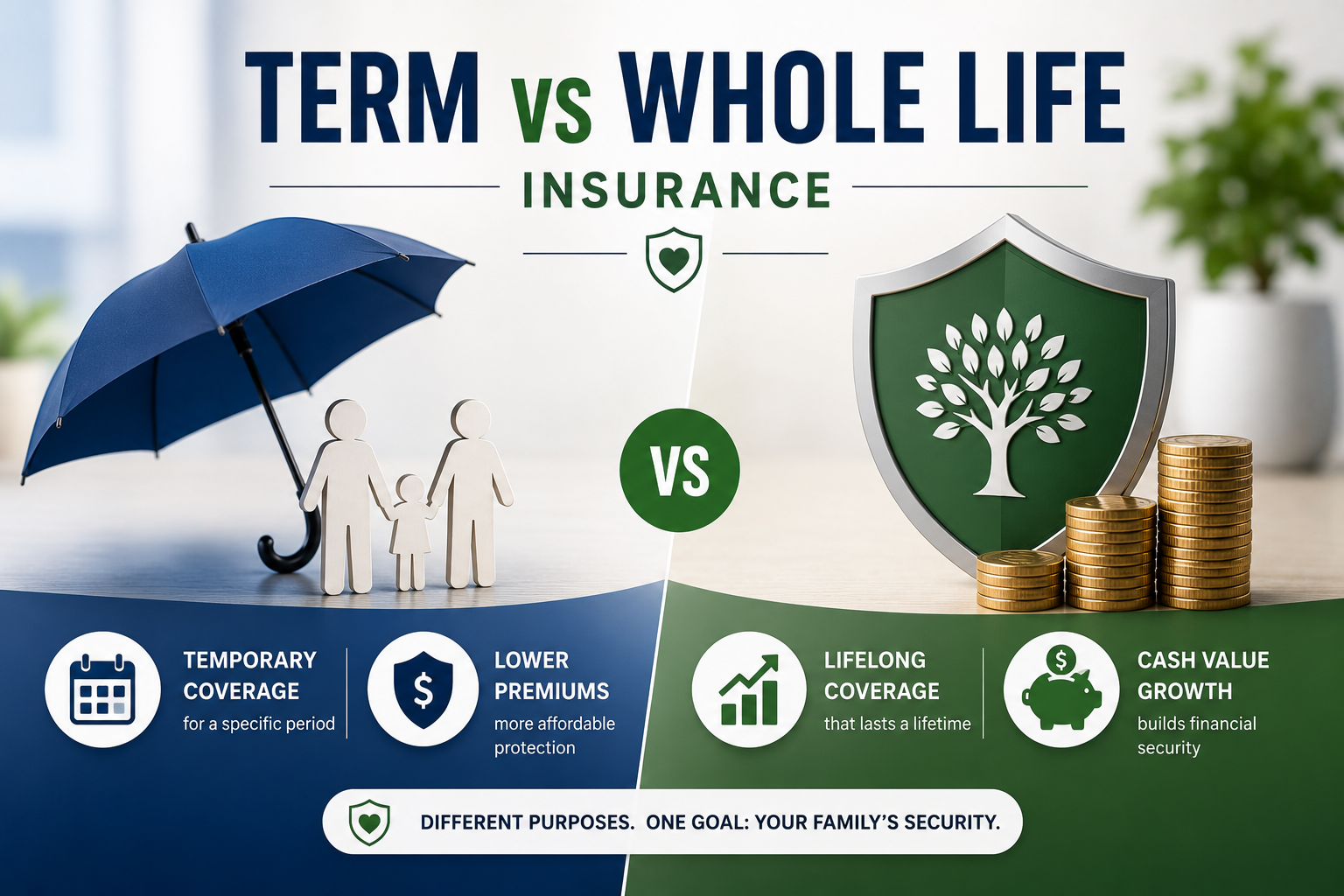
Term life costs significantly less than whole life for the same coverage amount, since whole life includes a lifelong guarantee and a cash value component that term does not.
Tobacco use is one of the single largest rate factors insurers apply, often doubling or more than doubling the premium compared to a non-smoker with an otherwise identical profile.
Your health classification, determined during underwriting, can meaningfully raise or lower your premium relative to the standard rate, sometimes by a significant percentage in either direction.
Why
Life insurance underwriting is individualized, and your actual premium depends on a full medical exam and application review that this tool cannot replicate. This estimate provides a directional figure to help you budget before applying.
When
Using this estimate before applying helps you set realistic expectations and compare policy types on cost alone before underwriting introduces additional variables specific to your health exam results.
Related Tools
Explore our featured tools related to home insurance.
Find out exactly how much life insurance your family needs using the DIME method, Debt, Income, Mortgage, and Education.
Compare the real cost and long-term value of term life vs whole life for your age, coverage amount, and financial goals.
Structure your beneficiaries correctly, understand policy ownership options, and coordinate your life insurance with your estate plan.
Life Insurance Special
The table below illustrates typical monthly premiums for a 20 year term policy at $500,000 coverage with a good health rating.
| Age | Non-Smoker | Smoker |
|---|---|---|
| 25 | $20–$30 | $55–$80 |
| 35 | $25–$40 | $70–$105 |
| 45 | $50–$75 | $135–$200 |
| 55 | $110–$160 | $290–$420 |
Note: These figures illustrate typical actuarial pricing patterns, not quotes from a specific insurer. Your actual premium depends on your health exam results, insurer, state, and specific policy features.
This tool uses standard actuarial pricing patterns to provide a directional estimate. Your actual premium is determined during underwriting, which includes a health exam and application review this tool doesn’t replicate, so treat this as a budgeting starting point, not a guaranteed quote.

Tobacco use is strongly correlated with higher mortality risk across nearly every major health outcome insurers track, which is why it’s one of the largest single rating factors, often more significant than several other factors combined.
Yes, generally. Shorter term lengths typically cost less per month than longer terms for the same coverage amount, since the insurer is taking on risk for a shorter guaranteed period.
Not necessarily. Many term policies allow re-underwriting or a new policy application later if your health improves, and some conditions that raise rates initially don’t necessarily affect long term pricing if properly managed.
No, whole life is consistently more expensive than term for identical coverage, since it includes lifelong coverage and a cash value component term doesn’t have. The comparison isn’t about which is cheaper, but which fits your actual coverage need.
Yes. This tool provides a directional estimate, but actual underwriting results vary meaningfully between insurers for the same applicant, so comparing real quotes remains worthwhile before purchasing.
Related Guides
Looking for more in-depth answers? Explore our latest life insurance guides covering costs, coverage options, policy comparisons, and expert tips.
You may also find these tools helpful:
© 2026 InsuranceBlip. All rights reserved. Website created & managed by Infolytics.