No Medical Exam Life Insurance

Faster Coverage, With Real Tradeoffs to Understand First

What Is No Medical Exam Life Insurance?

No medical exam life insurance provides coverage without requiring a physical exam, blood test, or urine sample, relying instead on a health questionnaire and, in many cases, third party data sources such as prescription history and medical records databases to assess risk. For the broader picture of how life insurance works overall, see what is life insurance, since understanding traditional underwriting first makes the tradeoffs of skipping it easier to evaluate.

This category exists specifically for people who want coverage faster than the traditional underwriting process allows, which can take several weeks from application to approval once an exam and lab results are involved, or for people whose health situation makes traditional underwriting more complicated or uncertain in its outcome.

How No Medical Exam Life Insurance Works

Instead of a physical exam, insurers offering no medical exam policies rely on a detailed health questionnaire covering your medical history, current medications, and lifestyle factors, combined with data pulled from sources such as the Medical Information Bureau, prescription history databases, and sometimes motor vehicle records. This combination allows insurers to estimate risk without requiring the time and inconvenience of an in-person exam, though the tradeoff is generally less precise risk assessment than a full medical exam would provide.

Because insurers have less detailed information to work with, they typically price these policies more conservatively, and coverage amounts are usually capped considerably lower than what is available through fully underwritten policies. This is the fundamental tradeoff underlying the entire category: convenience and speed in exchange for higher cost and lower maximum coverage.

No Exam Doesn't Always Mean No Underwriting

Skipping the medical exam does not necessarily mean the insurer skips underwriting. Simplified issue and accelerated underwriting policies may still ask health questions and review information such as your prescription history, driving record, prior insurance applications, or other available records. The difference is that the insurer uses this information instead of requiring the traditional medical exam and lab work.

Guaranteed issue life insurance works differently because it generally does not require health questions or medical underwriting. That convenience usually comes with lower coverage limits, higher costs for the amount of coverage purchased, and often a graded death benefit during the first years of the policy.

Estimate Your Life Insurance Needs

See how much life insurance coverage you may need based on your income, debts, family needs, and financial obligations.

Daniel Carter
Insurance Content Specialist
Daniel Carter writes beginner focused insurance guides at InsuranceBlip. His work explains policy language, coverage options, and common insurance decisions in plain English, with a focus on helping first time buyers understand auto, health, and life insurance.

Types of No Medical Exam Policies

Simplified Issue Term

Term coverage based on a health questionnaire and data sources, with moderate coverage limits, typically the most affordable no-exam option.

Simplified Issue Whole Life

Permanent coverage using the same simplified underwriting approach, often marketed toward final expense coverage needs.

Guaranteed Issue Whole Life

No health questions at all, guaranteed acceptance within an age range, but with the lowest coverage limits and highest relative cost.

Accelerated Underwriting Term

Uses data analytics and questionnaire responses to approve healthy applicants quickly, sometimes at rates close to fully underwritten policies.

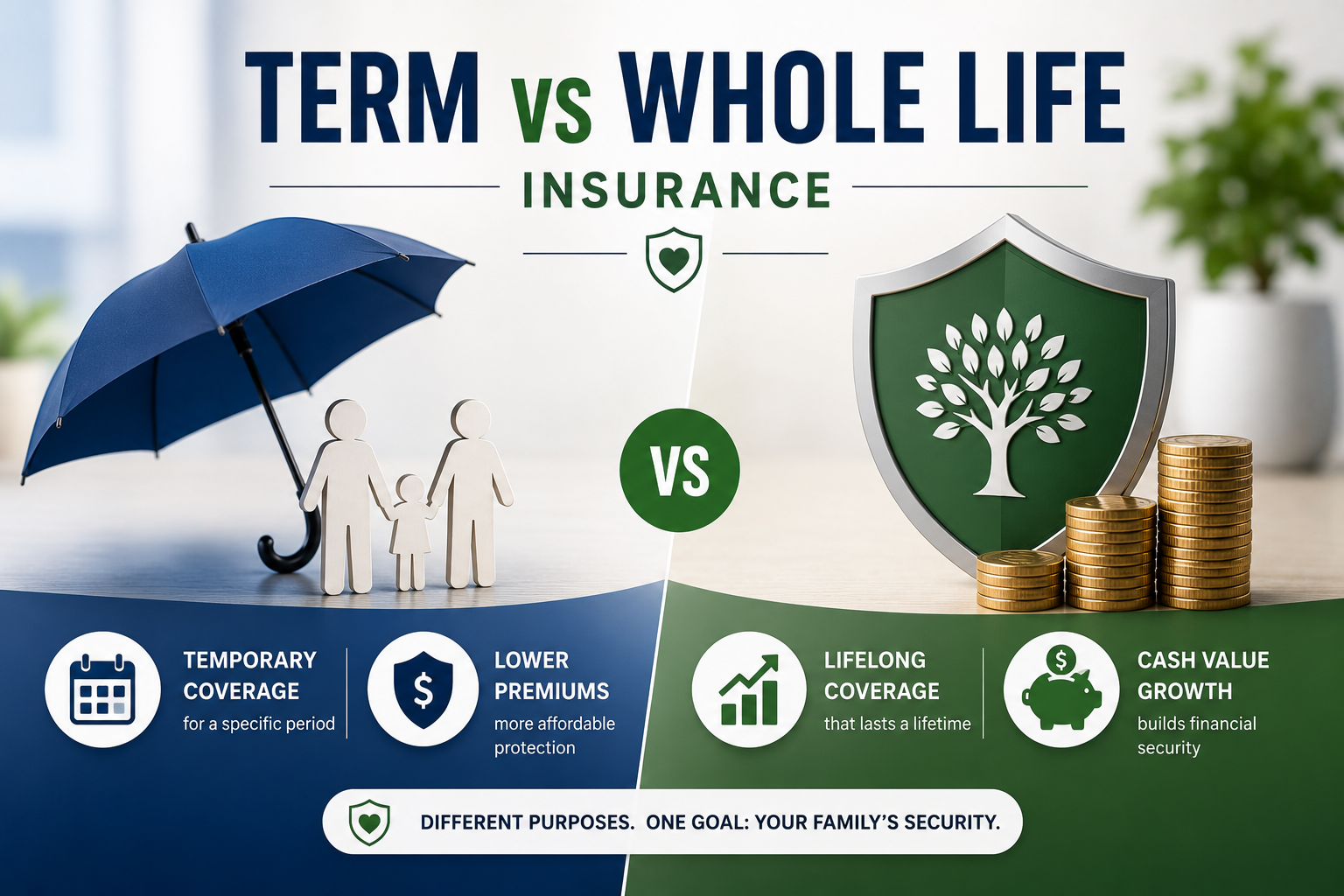
For the fuller comparison of how term and permanent coverage differ overall, beyond just the no-exam category, see term vs whole life insurance.

Who Should Consider No Medical Exam Coverage?

People who need coverage quickly, such as to meet a lender's requirement or secure protection before an upcoming trip or life event, benefit from the considerably faster approval timeline these policies offer, often days rather than weeks. Applicants with health conditions that would complicate traditional underwriting, potentially resulting in a higher rate class or lengthy additional medical requirements, sometimes find a no-exam policy provides a more predictable and faster path to coverage, even at a higher baseline cost.

Older applicants specifically seeking a smaller final expense policy, intended to cover funeral and end of life costs rather than significant income replacement, are a particularly common fit for guaranteed issue policies, since the relatively low coverage amount these policies offer is often sufficient for that specific, narrower purpose. People who simply want to avoid the inconvenience of scheduling and completing a medical exam, even without a specific urgency or health complication, may also reasonably choose this category, accepting the cost tradeoff for the convenience.


The Tradeoffs: Cost and Coverage Limits

Policy Category Typical Max Coverage Relative Cost vs Fully Underwritten Approval Timeline
Fully Underwritten (traditional) $1,000,000+ Baseline, lowest cost for qualified applicants 4 to 6 weeks
Simplified Issue $100,000 – $500,000 20% to 50% higher Days to about 2 weeks
Guaranteed Issue $5,000 – $25,000 Significantly higher per dollar of coverage Days
Accelerated Underwriting Up to $1,000,000+ for qualifying applicants Close to traditional rates for healthy applicants Days to about 1 week

The coverage limit ceiling is often the more significant practical constraint than cost alone. If your calculated coverage need, using a method like DIME, comes out well above what a simplified or guaranteed issue policy can provide, see how much life insurance you need for the full calculation, a no-exam policy alone may leave a meaningful gap that would require supplementing with additional coverage.

How to Choose the Right No-Exam Policy

Start by calculating your actual coverage need rather than assuming a no-exam policy's typical limits will be sufficient, since simplified and guaranteed issue policies in particular cap out well below what many families genuinely need for full income replacement. If your need exceeds what simplified issue offers, accelerated underwriting is worth exploring first, since healthy applicants can sometimes qualify for coverage amounts and rates close to traditional underwriting without the exam itself.

Guaranteed issue should generally be treated as a narrower, specific-purpose product, appropriate for final expense coverage or as a supplement to other coverage, rather than a primary solution for significant income replacement needs, given its low coverage ceiling. Comparing quotes across multiple insurers matters here just as much as with traditional life insurance, since pricing and underwriting criteria for no-exam products vary meaningfully between companies.

Common Scenarios

Browse Insurance Guides

Insurance Basics Guides
Insurance Cost Guides
Insurance Comparison Guides
Insurance Coverage Guides

Insights From Recent Articles

Term vs Universal vs Variable Life Insurance
Universal Life vs Whole Life: What's the Difference?
Is Travel Insurance Worth It
what is home insurance
What Is Home Insurance
Life Insurance Riders Explained
Term vs Whole Life Insurance
Term vs Whole Life Insurance: What's the Difference?

Explore By Insurance Types

Auto Insurance
Business Insurance
Health Insurance
Home Insurance
Life Insurance
Travel Insurance

Frequently Asked Questions

Is no medical exam life insurance more expensive?

Generally, yes, compared to a traditional fully underwritten policy for the same coverage amount and a healthy applicant. The exception is accelerated underwriting, which can approach traditional pricing for applicants who appear healthy based on questionnaire responses and available data, since this category is specifically designed to fast-track lower-risk applicants without sacrificing much on price.

What's the maximum coverage amount available without a medical exam?

This varies significantly by policy type and insurer. Simplified issue policies commonly cap out between one hundred thousand and five hundred thousand dollars, guaranteed issue policies are typically limited to a much smaller range intended for final expenses, often five thousand to twenty five thousand dollars, while accelerated underwriting can sometimes reach coverage amounts comparable to traditional policies for qualifying healthy applicants.

Can I be denied for no medical exam life insurance?

For simplified issue and accelerated underwriting policies, yes, denial is possible based on your questionnaire answers and the data sources the insurer reviews, even without a physical exam. Guaranteed issue policies, true to their name, generally cannot deny an applicant within the specified age range for health reasons, which is the primary reason their coverage limits are set so much lower and their cost per dollar of coverage runs considerably higher than the other categories.

Real Convenience, With Real Limits to Understand First

No medical exam life insurance solves a genuine problem, providing faster, more convenient coverage for people who need it quickly or want to avoid the traditional underwriting process, but it comes with meaningful tradeoffs in cost and, particularly for simplified and guaranteed issue policies, coverage limits well below what many families actually need. Calculating your real coverage need before assuming a no-exam policy's typical limits will be sufficient is the single step most likely to prevent a coverage gap discovered only years later. Visit our Life Insurance hub for the fuller picture of building coverage that genuinely matches your situation.

Trusted Insurance Resources

See What Coverage You Actually Need First

Calculate your real coverage need before comparing no-exam policy options.

Try Life Insurance CalculatorExplore Insurance Guides

At A Galance

Insurance Tools & Estimators

Use our free tools to estimate insurance costs before you shop. No personal information required just straight forward estimates.

Auto Insurance Calculator

Estimate your car insurance costs based on your age range, driving history, vehicle type, coverage level, & location. Understand how each factor affects your premium.

Life Insurance Needs Calculator

Calculate how much life insurance coverage your family might need based on your income, debts, and financial goals.

Health Insurance Estimator

Understand how premiums, deductible, out-of-pocket costs vary across different plans. Useful for comparing coverage options during enrollment or life change.

Business Insurance Estimator

Estimate general liability and small business insurance costs based on your industry, business size, and coverage needs.

Homeowners Insurance Calculator

Estimate how much homeowners insurance might cost based on your property value, location, and coverage needs.

Travel Insurance Calculator

Estimate trip protection costs based on your destination, trip duration, and the type of coverage you need.