What Is Life Insurance?

A Beginner's Guide

Life insurance is a contract where you pay a premium, and in exchange, your insurer pays a death benefit to your chosen beneficiaries if you die while the policy is active. Unlike most insurance types, which protect against damage to property or physical injury, life insurance exists specifically to replace the financial impact of your death on the people who depend on you, whether that means replacing lost income, covering a mortgage, or funding future expenses like a child's education.

The core promise is simple, but the structure behind it varies significantly depending on the type of policy, which is why understanding the basic mechanism first makes every subsequent decision, from choosing term versus permanent coverage to selecting a specific coverage amount, considerably easier to work through.

How Life Insurance Works

You choose a coverage amount, called the death benefit, and pay a premium, either for a fixed term of years or for the rest of your life depending on the policy type, to keep that coverage active. If you die while the policy is in force, your insurer pays the death benefit directly to your named beneficiaries, generally as a lump sum, free of federal income tax in most circumstances.

The biggest structural decision in life insurance is term versus permanent coverage. Term life insurance covers you for a specific period, commonly ten to thirty years, and pays out only if you die during that term, while permanent life insurance, including whole and universal life, covers you for your entire life as long as premiums are paid, and typically builds cash value over time in addition to the death benefit. For the full comparison between these approaches, see term vs whole life insurance.

What Does Life Insurance Actually Pay For?

You want a beginner to understand that life insurance generally pays a death benefit to the named beneficiary when the insured dies while eligible coverage is in force. The beneficiary can generally use the proceeds for things such as replacing income, mortgage or rent payments, debts, everyday household expenses, childcare or education, and funeral/final expenses.

Then clarify that life insurance isn't normally a reimbursement system where beneficiaries submit individual bills. The benefit is generally paid as a lump sum and isn't restricted to one specific expense, although policy terms, beneficiary arrangements, and certain circumstances can affect how benefits are paid.

Estimate Your Life Insurance Needs

See how much life insurance coverage you may need based on your income, debts, family needs, and financial obligations.

Daniel Carter
Insurance Content Specialist
Daniel Carter writes beginner focused insurance guides at InsuranceBlip. His work explains policy language, coverage options, and common insurance decisions in plain English, with a focus on helping first time buyers understand auto, health, and life insurance.


Types of Life Insurance

Term Life Insurance

Covers a specific period, typically 10 to 30 years, at the lowest cost of any life insurance type, with no cash value component.

Whole Life Insurance

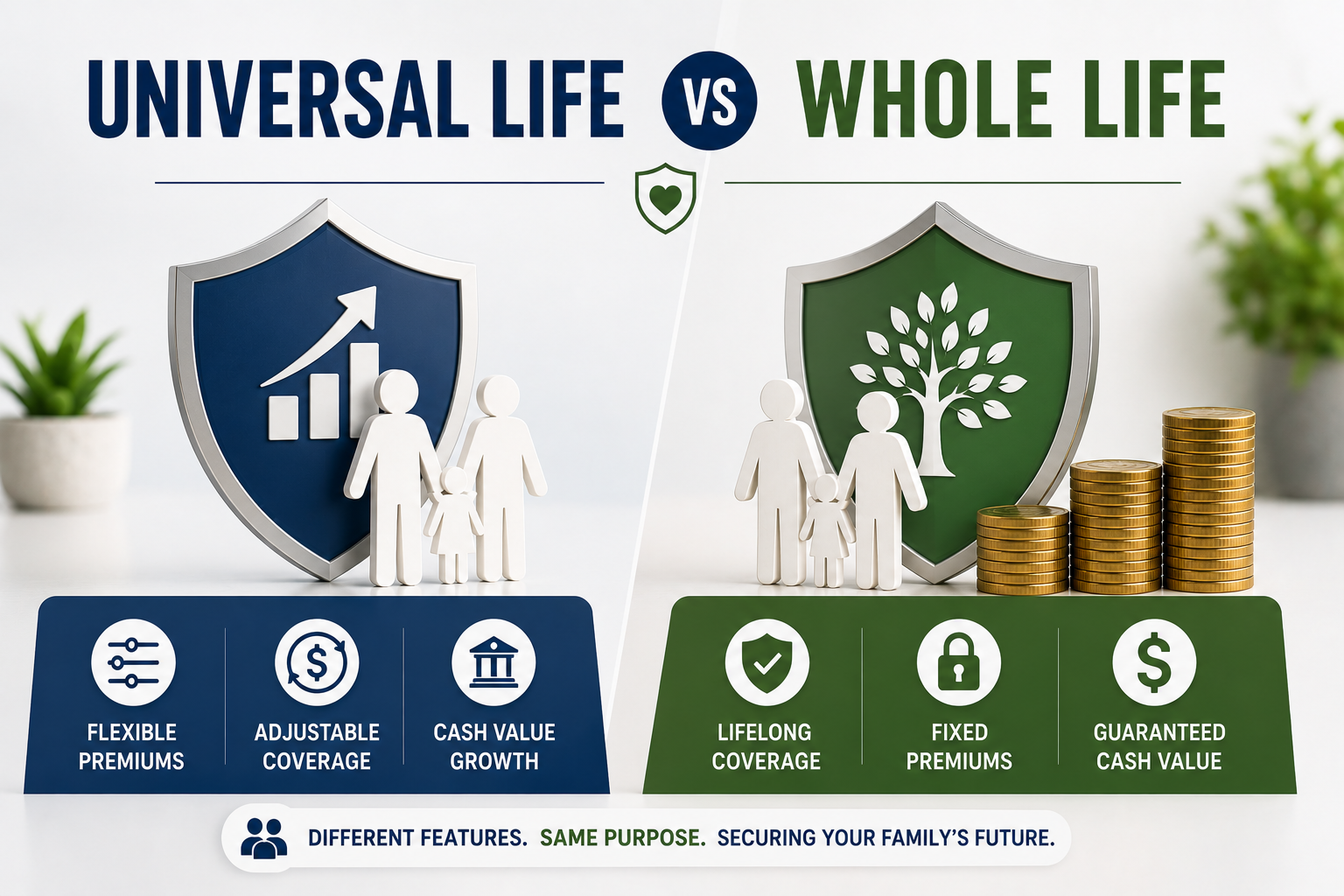
Permanent coverage for your entire life, with a guaranteed death benefit and a cash value component that grows at a fixed rate over time.

Universal Life Insurance

Permanent coverage with more flexibility than whole life, allowing adjustments to premiums and death benefit within certain limits over time.

No Medical Exam Life Insurance

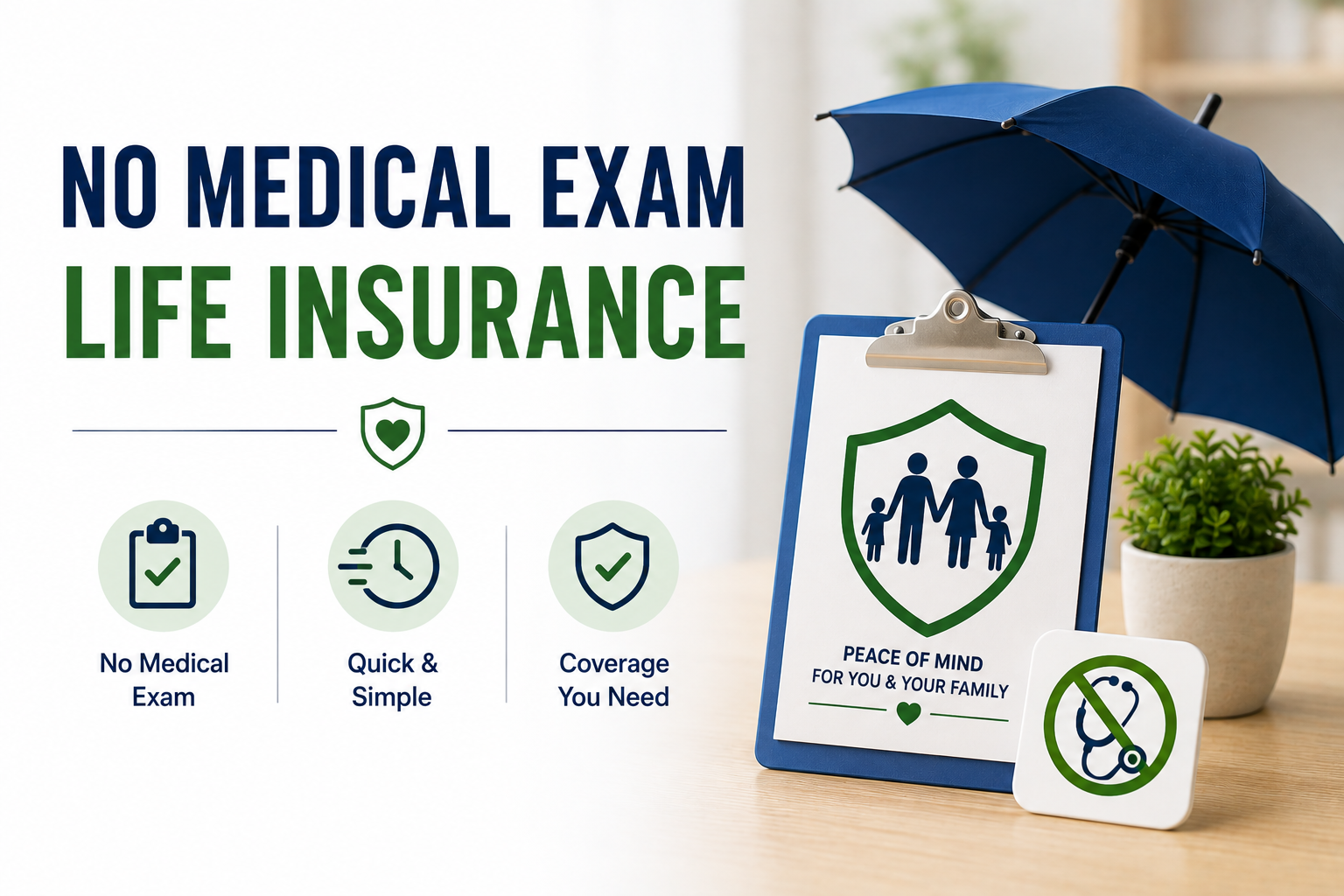
Coverage available without a medical exam, typically at a higher cost or lower maximum coverage amount than fully underwritten policies.

For the full breakdown of what any of these policy types actually cover and exclude, see what does life insurance cover.

Who Needs Life Insurance?

Anyone whose death would create a genuine financial hardship for someone else is a reasonable candidate for life insurance. Parents and primary income earners are the clearest case, since their death would mean lost income that a family depends on for daily living expenses, a mortgage, or future costs like college. People who have co-signed a loan or carry significant debt that would otherwise pass to a spouse or family member also have a strong reason to carry coverage specifically sized to cover that obligation.

Business owners frequently need coverage for reasons beyond personal family protection, including key person insurance to protect the business if an essential owner or employee dies, or to fund a buy-sell agreement between business partners. Even individuals without dependents sometimes carry a smaller policy specifically to cover final expenses, such as funeral costs, so that burden does not fall on family members.

Key Terms to Know Before You Buy

A handful of terms come up in nearly every life insurance conversation, and understanding them upfront makes the application and buying process considerably less confusing. Your beneficiary is the person or people you designate to receive the death benefit, and most insurers allow you to name multiple beneficiaries with specific percentage splits, along with contingent beneficiaries who receive the benefit if your primary beneficiary has also died. Keeping this designation updated after major life events, such as marriage, divorce, or the birth of a child, matters more than most policyholders realize, since an outdated beneficiary designation is honored exactly as written, regardless of your current wishes or family situation.

The contestability period is a window, typically the first two years of a policy, during which an insurer can investigate and potentially deny a claim based on misrepresentation on your application, such as undisclosed health conditions or risky hobbies. After this period ends, most policies become incontestable except in cases of outright fraud, which is part of why answering application questions accurately matters considerably more than it might seem to at the time.

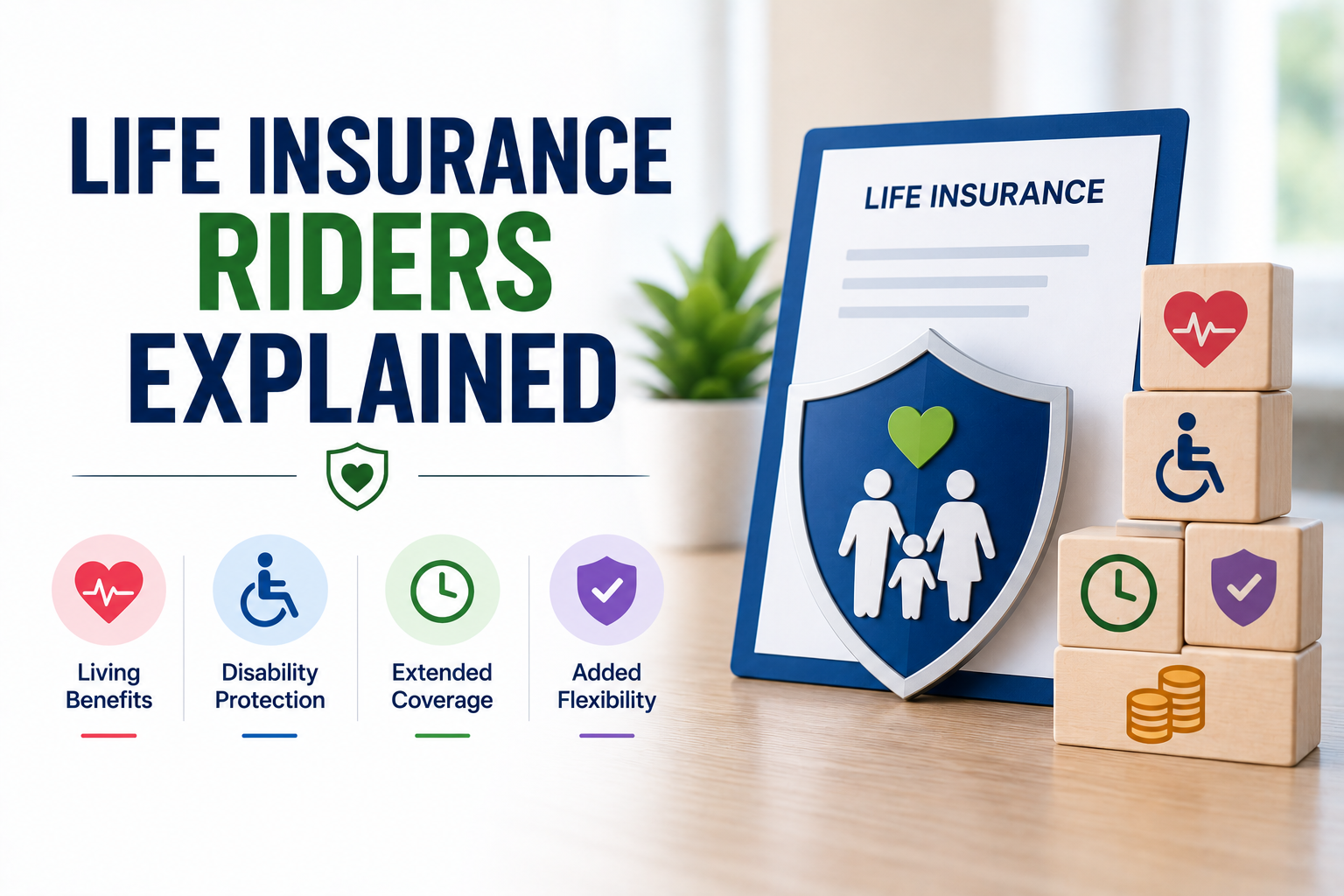
Riders are optional additions that expand a base policy's coverage for an additional cost, ranging from a waiver of premium if you become disabled to an accelerated death benefit allowing early access to funds if you are diagnosed with a terminal illness. For the full breakdown of the most common riders and which ones are typically worth the added cost, see life insurance riders explained.

How Much Does Life Insurance Cost?

Life insurance cost varies enormously based on the type of policy, your age, health, and the coverage amount you select, with term life insurance costing dramatically less than permanent coverage for the same death benefit. A healthy adult in their thirties can often obtain a substantial term policy for a relatively modest monthly premium, while the same coverage amount as a whole life policy typically costs many times more, reflecting the lifelong coverage and cash value component permanent policies include.

For the full breakdown of how much coverage you specifically need, which is a more useful starting question than cost alone, see how much life insurance do you need, or get a personalized estimate with our Life Insurance Calculator.

Common Scenarios

Browse Insurance Guides

Insurance Basics Guides
Insurance Cost Guides
Insurance Comparison Guides
Insurance Coverage Guides

Insights From Recent Articles

Term vs Universal vs Variable Life Insurance
Universal Life vs Whole Life: What's the Difference?
No Medical Exam Life Insurance
No Medical Exam Life Insurance Explained
Is Travel Insurance Worth It
what is home insurance
What Is Home Insurance
Life Insurance Riders Explained

Explore By Insurance Types

Auto Insurance
Business Insurance
Health Insurance
Home Insurance
Life Insurance
Travel Insurance

Frequently Asked Questions

Is life insurance required by law?

No. Unlike auto insurance or, in most states, workers’ compensation, there is no legal requirement to carry life insurance. Some circumstances create a practical requirement instead, such as a mortgage lender or business loan agreement requiring a policy naming the lender as beneficiary until the loan is repaid, but no general legal mandate applies to individuals. Even without any external requirement, the financial exposure your dependents would face without coverage is often the more compelling reason to carry it than any legal obligation.

What's the difference between term and permanent life insurance?

Term life insurance covers a specific period and pays out only if you die during that term, at a significantly lower cost than permanent coverage. Permanent life insurance, including whole and universal life, covers you for your entire life as long as premiums continue, and typically includes a cash value component that grows over time, which is the primary reason it costs considerably more than term coverage for the same death benefit. Many financial professionals recommend term coverage for pure income replacement needs during working years, reserving permanent coverage for more specific long term goals such as estate planning or a desire for lifelong coverage regardless of age.

What happens if I stop paying premiums?

For term life insurance, missing premium payments typically results in the policy lapsing after a grace period, ending coverage entirely with no further obligation or benefit. For permanent life insurance with accumulated cash value, some policies allow that cash value to be used to keep the policy active for a period, or the policy can sometimes be surrendered for its cash value instead of continuing coverage, depending on the specific policy’s terms. This is one of the more significant practical differences between term and permanent coverage, since a lapsed term policy simply ends, while a lapsed permanent policy may still return some value depending on how long it was held.

Understanding the Basics Before Choosing a Policy

Life insurance exists to solve one specific problem: replacing the financial impact your death would have on the people who depend on you. Understanding the core mechanism, term versus permanent coverage, how premiums and death benefits work together, and who genuinely needs coverage, makes every subsequent decision about policy type and coverage amount considerably more straightforward.

Trusted Insurance Resources

Estimate Your Life Insurance Needs

Get a personalized coverage estimate based on your income, debts, and family situation.

Try Life Insurance CalculatorExplore Insurance Guides

At A Galance

Insurance Tools & Estimators

Use our free tools to estimate insurance costs before you shop. No personal information required just straight forward estimates.

Auto Insurance Calculator

Estimate your car insurance costs based on your age range, driving history, vehicle type, coverage level, & location. Understand how each factor affects your premium.

Life Insurance Needs Calculator

Calculate how much life insurance coverage your family might need based on your income, debts, and financial goals.

Health Insurance Estimator

Understand how premiums, deductible, out-of-pocket costs vary across different plans. Useful for comparing coverage options during enrollment or life change.

Business Insurance Estimator

Estimate general liability and small business insurance costs based on your industry, business size, and coverage needs.

Homeowners Insurance Calculator

Estimate how much homeowners insurance might cost based on your property value, location, and coverage needs.

Travel Insurance Calculator

Estimate trip protection costs based on your destination, trip duration, and the type of coverage you need.