Menu
When It Pays Off, and When You Can Skip It
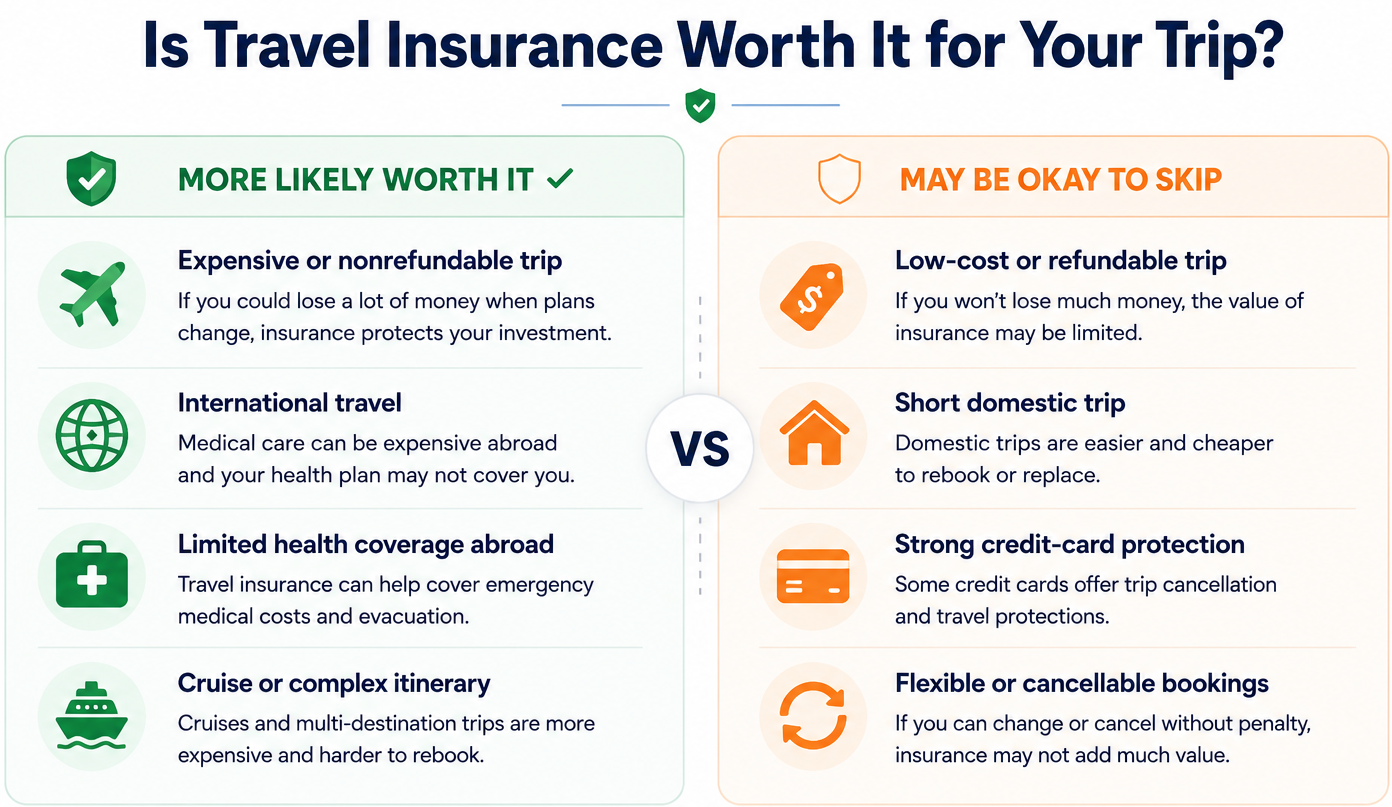
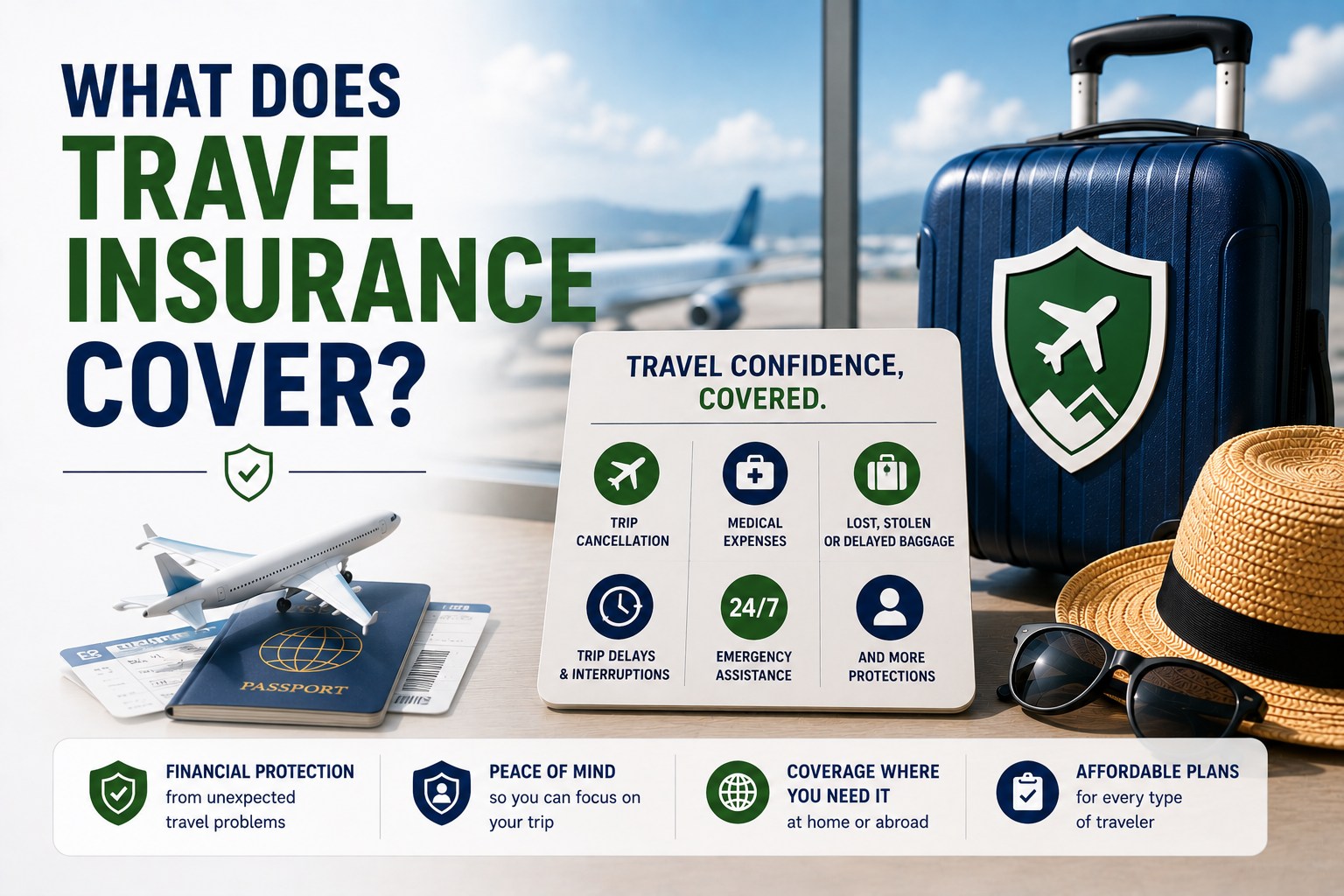
It depends on your trip cost, your destination, and how much you have already invested that would be lost if something went wrong. For an expensive, non refundable international trip, travel insurance is generally worth it, since the potential loss from a cancellation, a medical emergency abroad, or lost luggage can far exceed the policy's cost. For a short, inexpensive domestic trip with fully refundable bookings, the math often does not favor buying a policy at all. For the full breakdown of what a policy actually includes, see what does travel insurance cover.
The honest answer is that there is no universal yes or no here. Travel insurance is a bet against a specific set of risks, and whether that bet makes sense depends entirely on how much you stand to lose and how likely those risks actually are for your specific trip.
Travel insurance earns its cost most clearly in a handful of recurring situations. Expensive, non refundable trips are the clearest case, since a cancellation without insurance means losing the entire prepaid cost, while a policy typically reimburses most or all of it depending on the covered reason. International trips carry a second strong argument, since a medical emergency abroad can be extraordinarily expensive without coverage, and many domestic health insurance plans provide little to no coverage once you leave the country.
Trips involving cruises, guided tours, or multiple non refundable components also tend to favor insurance, since a single disruption, a missed connection causing you to miss a cruise departure, for example, can cascade into losing the value of several separate bookings at once. Travelers with health conditions that could reasonably disrupt travel, or those traveling to regions where medical evacuation might realistically be needed, also see clearer value from a policy.
Table of Contents
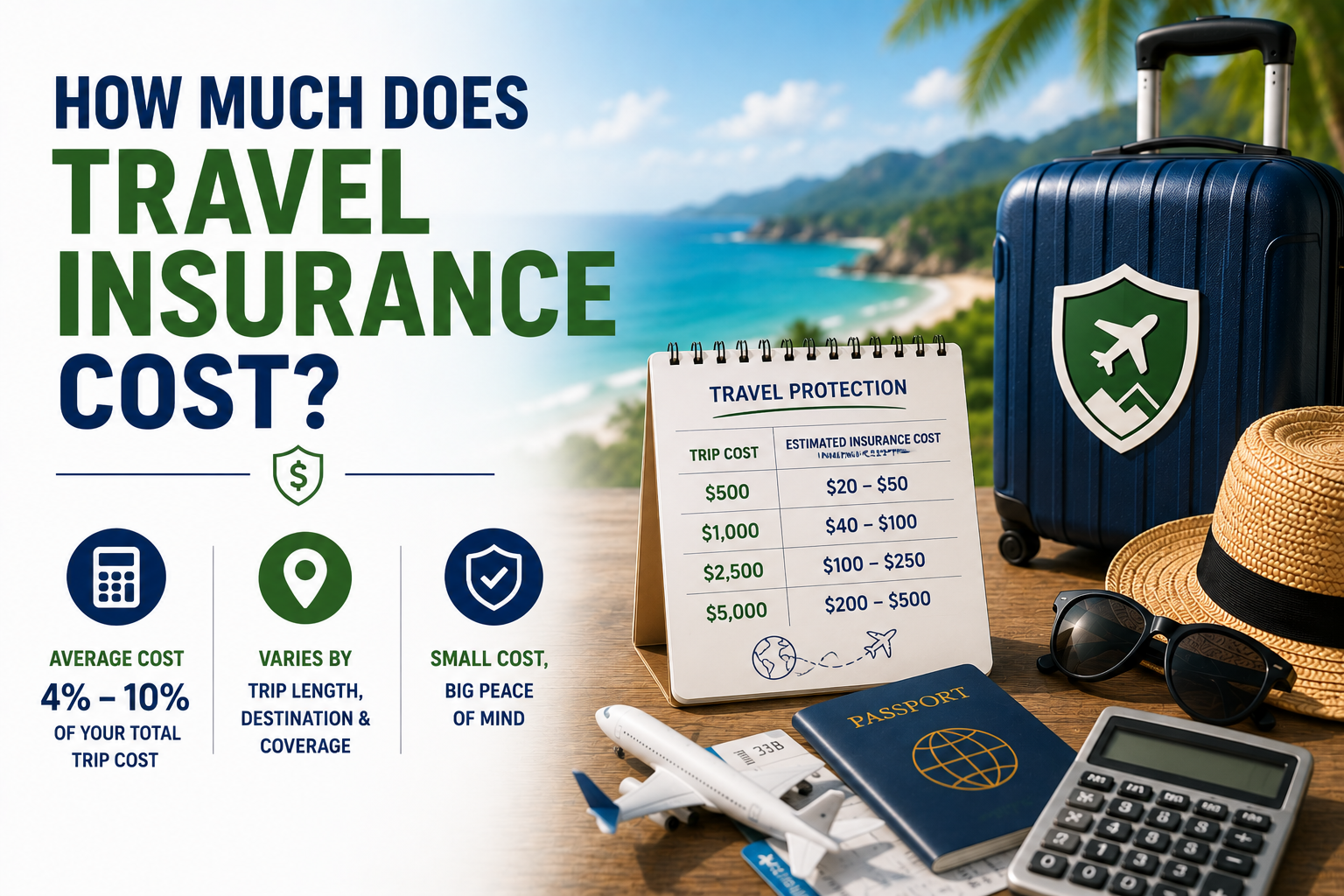
Travel insurance typically costs between four and eight percent of your total trip cost, which makes the decision easier to frame as a direct comparison between that cost and what you would actually lose without it.
| Trip Scenario | Typical Trip Cost | Typical Insurance Cost | What You'd Risk Without It |
|---|---|---|---|
| Domestic weekend trip, refundable bookings | $500 | $20 – $40 | Minimal, since bookings are refundable anyway |
| Domestic trip, non refundable bookings | $1,500 | $60 – $120 | Full prepaid cost if the trip is cancelled |
| International trip, moderate cost | $4,000 | $160 – $320 | Prepaid cost plus potential emergency medical expenses abroad |
| International trip, cruise or multi-leg | $8,000 | $320 – $640 | Cascading losses across multiple non refundable components |
The pattern is straightforward: as trip cost and complexity rise, the potential loss without insurance rises much faster than the insurance premium itself, which is exactly why higher cost trips tend to make the strongest case for buying a policy.
Skipping travel insurance makes reasonable sense in several common situations. Short domestic trips with fully refundable hotel and transportation bookings carry very little real risk, since cancelling simply means requesting a refund rather than losing the money outright. Travelers who already have strong coverage through a credit card's travel benefits may find that a separate policy duplicates protection they already have, though this is worth confirming directly rather than assuming.
Trips with a low total cost relative to the insurance premium also weaken the case for buying a policy, since the potential loss being protected against may not meaningfully exceed what the insurance itself costs.
Use our free calculator to estimate potential costs for your planned travel.
Some credit cards include travel protection benefits, particularly trip cancellation or interruption coverage, as a cardholder benefit when you book travel with that card. Coverage varies significantly between cards, and many offer more limited protection than a standalone travel insurance policy, particularly for medical emergencies abroad. Checking your specific card’s benefits guide before assuming you are covered is worth doing directly.
This varies enormously based on the type of claim and the trip’s total cost, since most claims are calculated as a reimbursement of actual prepaid, non refundable expenses rather than a fixed payout amount. A cancellation claim on an expensive trip can result in a payout in the thousands of dollars, while a lost luggage claim is typically capped at a much lower amount specified in the policy.
Whether travel insurance is worth it comes down to a fairly simple comparison: what you would lose without it, against what the policy actually costs. Expensive, non refundable, and international trips consistently favor buying coverage, while short, low cost, fully refundable domestic trips often do not justify the expense. Running that comparison for your specific trip, rather than defaulting to a blanket yes or no, is the most reliable way to decide. For the full picture of what a policy includes once you decide to buy one, visit our Travel Insurance hub.
Get a personalized estimate based on your destination, trip cost, and travel dates.
Try Travel Insurance CalculatorExplore Insurance GuidesAt A Galance
Use our free tools to estimate insurance costs before you shop. No personal information required just straight forward estimates.
Estimate your car insurance costs based on your age range, driving history, vehicle type, coverage level, & location. Understand how each factor affects your premium.
Calculate how much life insurance coverage your family might need based on your income, debts, and financial goals.
Understand how premiums, deductible, out-of-pocket costs vary across different plans. Useful for comparing coverage options during enrollment or life change.
Estimate general liability and small business insurance costs based on your industry, business size, and coverage needs.
Estimate how much homeowners insurance might cost based on your property value, location, and coverage needs.
Estimate trip protection costs based on your destination, trip duration, and the type of coverage you need.
© 2026 InsuranceBlip. All rights reserved. Website created & managed by Infolytics.