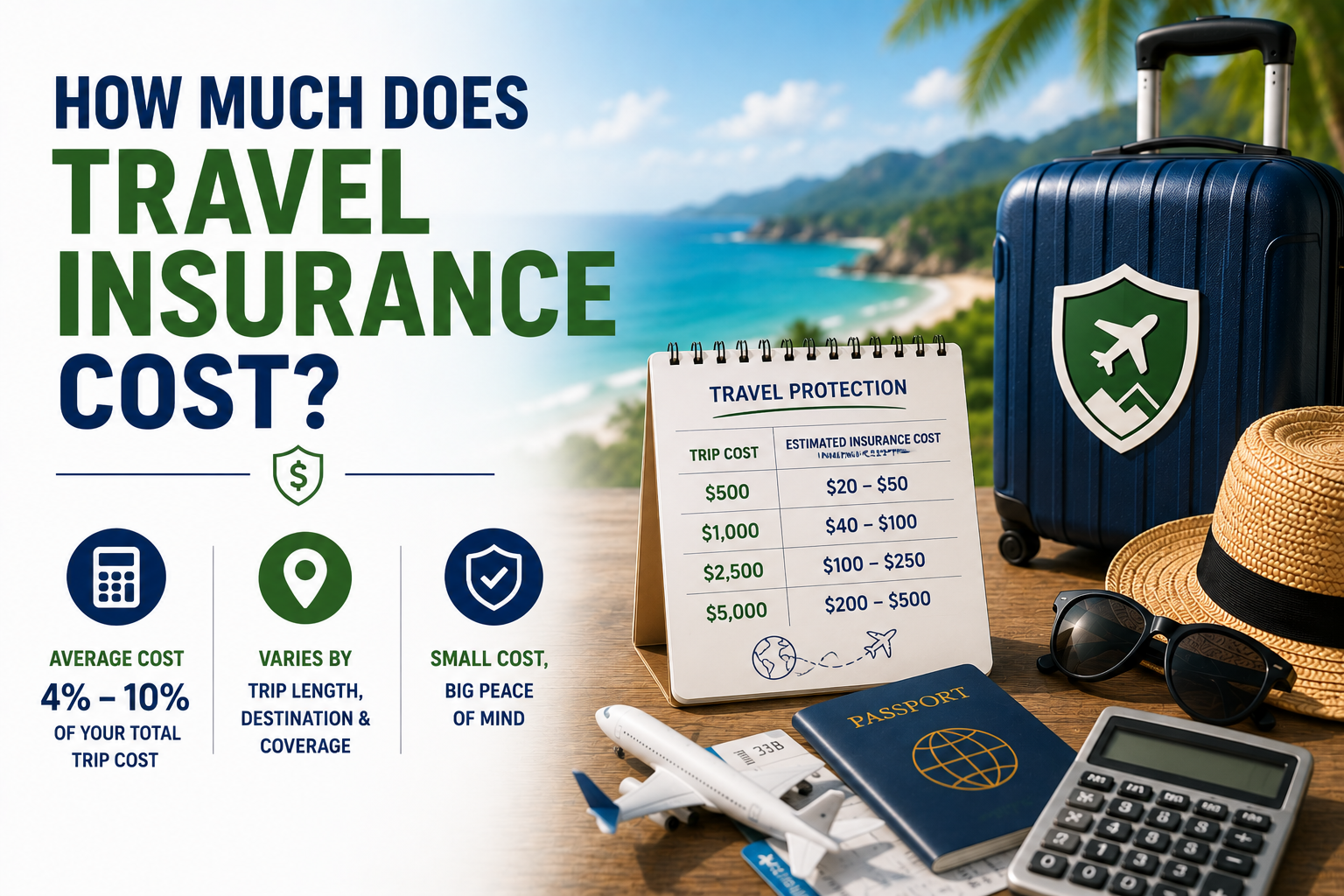
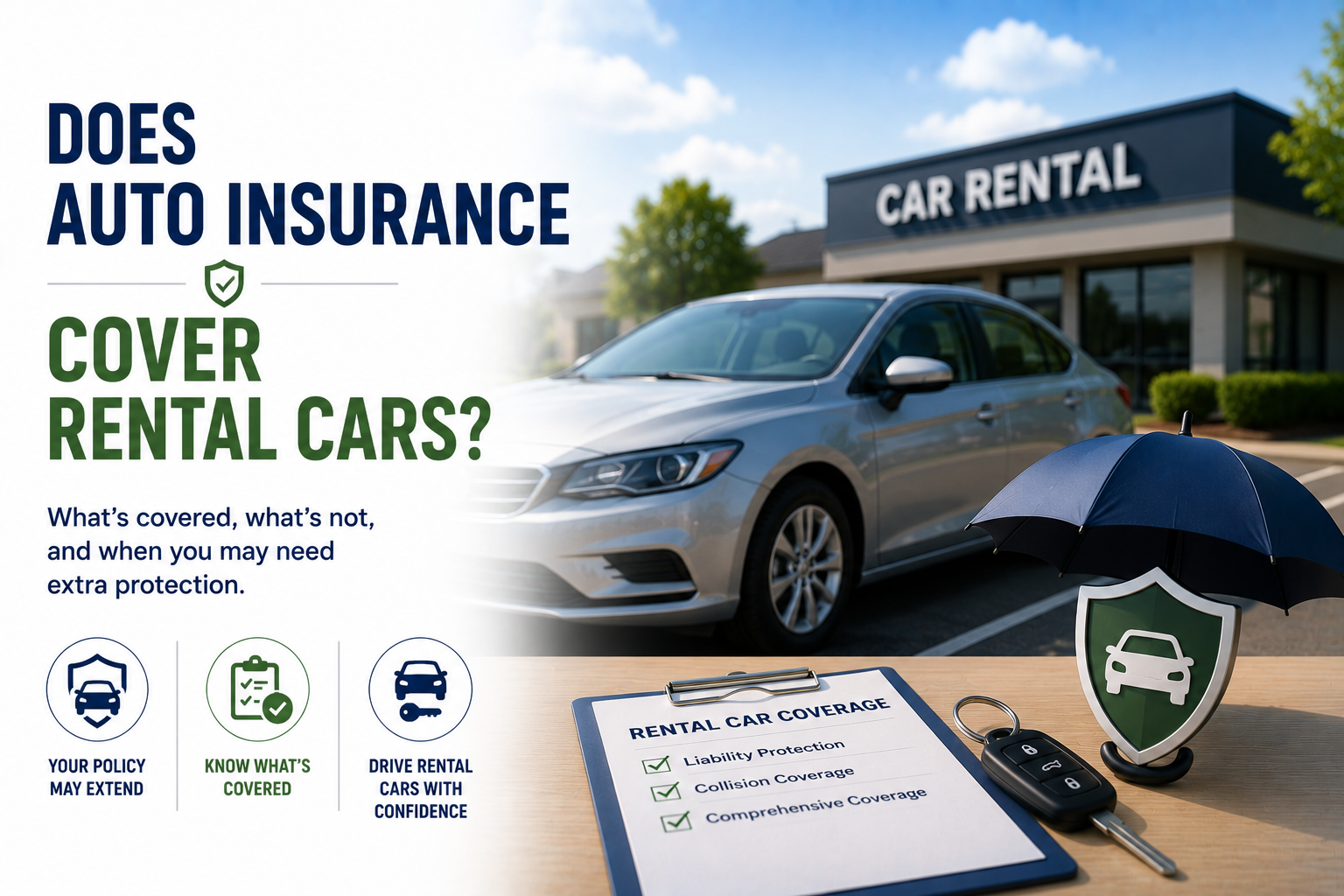
A standard travel insurance policy covers six core areas: trip cancellation, trip interruption, emergency medical expenses, emergency medical evacuation, baggage loss or delay, and travel delay. Together these address the two biggest categories of travel risk: losing money you already spent on a trip that gets disrupted, and facing a medical or logistical emergency while you are away from home. If you have not yet decided whether coverage makes sense for your specific trip, see is travel insurance worth it before working through the coverage details below.
Each of these six areas has its own covered reasons, its own limit, and its own gaps, which is why understanding the full breakdown matters more than simply knowing travel insurance exists as a general category. Two policies at a similar price point can offer meaningfully different real world protection depending on how these specific coverages are structured.
How Travel Insurance Coverage Works
Most travel insurance operates on a covered reasons basis, meaning cancellation and interruption claims are only paid if the reason for the disruption is specifically listed in the policy. Common covered reasons include illness or injury to the traveler or a family member, a natural disaster at the destination, a traveling companion's illness, and jury duty, among others. If your reason for cancelling is not on that list, a standard policy will not pay the claim, regardless of how legitimate or unavoidable the situation felt.
This is the single biggest thing travelers misunderstand about travel insurance. A standard policy is not a blanket guarantee that any cancellation gets reimbursed. Cancel For Any Reason coverage exists specifically to remove this limitation, at a meaningfully higher cost, allowing you to cancel for reasons outside the standard list and still receive a partial reimbursement, though even CFAR typically caps that reimbursement below one hundred percent.
Estimate Your Travel Insurance Cost
Use our free calculator to estimate potential costs for your planned travel.
Rachel Morgan covers insurance coverage analysis at InsuranceBlip. Her work examines the gap between what policies promise and what they actually pay out, helping readers understand their coverage before they ever need to use it.
Reimburses non refundable trip costs if you cancel for a covered reason before departure
Typical Limit100% of insured trip cost
Baggage Loss or Delay
Reimburses lost, stolen, or damaged luggage, and essential purchases if bags are delayed
Typical LimitCommonly $500 to $3,000
Emergency Medical
Covers medical treatment costs if you become sick or injured during your trip
Typical LimitCommonly $50,000 to $500,000
Trip Interruption
Reimburses unused trip costs and additional expenses if you must cut a trip short for a covered reason
Typical Limit100% to 150% of insured trip cost
Emergency Evacuation
Covers the cost of emergency transport to adequate medical care or, in serious cases, back home
Typical LimitCommonly $250,000 to $1,000,000
Travel Delay
Reimburses additional expenses, such as meals and lodging, caused by a covered delay
Typical LimitCommonly $500 to $2,000
Emergency medical and evacuation limits deserve particular attention for international travel, since domestic health insurance frequently provides little to no coverage once you leave the country, making these two categories often the most financially significant part of the entire policy for international trips.
What Travel Insurance Does Not Cover
Every standard travel insurance policy excludes several categories of risk, and these exclusions are largely consistent across insurers.
Pre-existing medical conditions
Unless a specific waiver is purchased, typically within a limited window after your initial trip deposit. See does travel insurance cover pre-existing conditions for the full breakdown of how this waiver works.
Cancelling for a reason not on the covered list
Unless you have specifically purchased Cancel For Any Reason coverage as an upgrade.
Known events that occurred before you purchased the policy
If a hurricane is already forecast or a travel advisory already exists at the time you buy the policy, claims related to that specific known event are typically excluded.
Extreme or high-risk activities
Such as certain adventure sports, unless a specific rider or upgraded policy is purchased.
Voluntary changes of mind
Simply deciding you no longer want to take the trip is not a covered reason under a standard policy.
Acts of war in the destination country
Which are excluded from most standard policies, though evacuation coverage sometimes applies to certain political or security related evacuations depending on the specific policy.
Coverage Limits and How They're Set
Trip cancellation and interruption limits are typically set based on your total insured trip cost, meaning you should insure for the full non refundable amount you have invested rather than a lower figure, since underinsuring this amount leaves a real gap if you need to file a full cancellation claim. Medical and evacuation limits, by contrast, are set independently of trip cost and instead reflect the policy tier you select, which is why comparing these specific dollar limits across policies matters more than comparing overall price alone.
Travelers taking multiple trips in a year should also weigh whether a single trip policy or an annual policy makes more sense for their coverage needs, since the two structure limits somewhat differently. See single-trip vs annual travel insurance for the full comparison between the two.
Common Scenarios
A cancellation covered as expected.
A traveler falls ill with a documented medical condition three days before departure and cancels the trip. Since illness of the traveler is a standard covered reason, the trip cancellation benefit reimburses the full non refundable cost of flights and hotels.
A cancellation denied under a standard policy.
A traveler decides not to take a trip due to general anxiety about an upcoming political situation at the destination that has not risen to the level of a formal travel advisory. Since this reason does not appear on the standard covered reasons list, a standard policy denies the claim, though a Cancel For Any Reason policy would have allowed a partial reimbursement in this same situation.
An evacuation claim handled correctly.
A traveler suffers a serious injury in a remote international location without adequate local medical facilities. The emergency evacuation benefit covers the cost of transporting the traveler to the nearest facility capable of providing appropriate treatment, a cost that would otherwise run into the tens of thousands of dollars without coverage.
Does travel insurance cover flight cancellations due to weather?
Often yes, when the weather event is severe enough to be classified as a natural disaster or when it causes a significant delay that triggers the travel delay benefit. Routine weather delays that airlines resolve within a few hours typically do not meet the threshold for a claim, while a major storm causing a multi-day disruption more commonly does.
Does travel insurance cover COVID-19 related issues?
This varies significantly by policy and has evolved considerably since the pandemic began. Many current policies now treat a COVID-19 diagnosis similarly to any other covered illness for cancellation and medical purposes, but coverage for broader pandemic related disruptions, such as a destination closing its borders, varies more and is worth confirming directly with the specific policy’s terms before assuming it is included.
What is the claims process like?
Most claims require documentation supporting the covered reason, such as a doctor’s note for a medical cancellation or a police report for stolen baggage, along with receipts for the expenses being claimed. Processing time varies by insurer, typically ranging from a couple of weeks to over a month depending on the complexity of the claim and how quickly documentation is submitted.
Coverage Built Around Specific Covered Reasons
Travel insurance is not a blanket guarantee against any disruption to your trip, but a specific set of protections tied to defined covered reasons and coverage limits. Understanding the six core coverage types, what triggers each one, and where the common exclusions sit puts you in a far better position to choose the right policy and coverage level rather than assuming broader protection than a standard policy actually provides. Visit our Travel Insurance hub for the fuller picture of how to choose the right policy for your trip.
Use our free tools to estimate insurance costs before you shop. No personal information required just straight forward estimates.
Auto Insurance Calculator
Estimate your car insurance costs based on your age range, driving history, vehicle type, coverage level, & location. Understand how each factor affects your premium.
Life Insurance Needs Calculator
Calculate how much life insurance coverage your family might need based on your income, debts, and financial goals.
Health Insurance Estimator
Understand how premiums, deductible, out-of-pocket costs vary across different plans. Useful for comparing coverage options during enrollment or life change.
Business Insurance Estimator
Estimate general liability and small business insurance costs based on your industry, business size, and coverage needs.
Homeowners Insurance Calculator
Estimate how much homeowners insurance might cost based on your property value, location, and coverage needs.
Travel Insurance Calculator
Estimate trip protection costs based on your destination, trip duration, and the type of coverage you need.