What Does Life Insurance Cover (and Exclude)?

The Full Breakdown, Cause by Cause

A standard life insurance policy covers death from nearly any cause once the policy's contestability period has passed, including natural causes, illness, and accidents. The main exclusions that remain, even after that period, involve specific circumstances such as death while committing a felony or, in some policies, death from an act of war. For the broader picture of how life insurance works overall, see what is life insurance, since understanding the basic mechanism first makes the coverage details below considerably easier to follow.

The word "nearly" matters, since a handful of specific exclusions exist across most policies, and understanding them, along with how the early contestability period works, gives you a much more accurate picture of your actual coverage than assuming a policy pays out for absolutely any circumstance.

When Does Life Insurance Actually Pay Out?

Life insurance generally pays a death benefit when the insured person dies while the policy is active and the cause of death is covered under the policy's terms. Coverage commonly applies to death from natural causes, illness, accidents, and many other circumstances, although exclusions and policy-specific conditions can affect whether a claim is paid.

The key distinction is that life insurance usually covers the death of the insured person, rather than paying based on how the beneficiary intends to use the money. Once an eligible claim is approved, beneficiaries can generally use the death benefit for expenses such as housing, debts, everyday living costs, education, or final expenses.


How Life Insurance Claims Work

When a policyholder dies, the named beneficiary files a claim with the insurer, typically providing a death certificate and some basic paperwork, and the insurer reviews the claim before paying the death benefit. For claims filed after the contestability period, typically the first two years of the policy, insurers generally process and pay claims relatively quickly, provided the death does not fall under one of the specific exclusions discussed below.

Claims filed within the contestability period receive more scrutiny, since insurers are permitted during this window to investigate whether the application contained any material misrepresentation, such as an undisclosed serious health condition or a significant undisclosed risk factor. This does not mean claims within this period are routinely denied, since most are still paid without issue, but it does mean the accuracy of your original application matters more during these first two years than it does afterward. For how this interacts with choosing between policy types, see term vs whole life insurance, since both structures handle the contestability period the same way despite their other differences.

Estimate Your Life Insurance Needs

See how much life insurance coverage you may need based on your income, debts, family needs, and financial obligations.

Rachel Morgan
Insurance Coverage Analyst
Rachel Morgan covers insurance coverage analysis at InsuranceBlip. Her work examines the gap between what policies promise and what they actually pay out, helping readers understand their coverage before they ever need to use it.

What's Covered

Natural causes
Covered?Yes
Notes
Covered from day one, subject to the contestability period for misrepresentation
Suicide
Covered?Yes, after the contestability period
Notes
Typically excluded within the first two years, covered afterward under most policies
Death During Certain High-Risk Activities
Covered?Yes, Depends on policy terms
Notes
Coverage may depend on the activity, policy exclusions, and information disclosed during underwriting.
Death from an undisclosed material fact
Covered?Denied if discovered within contestability period
Notes
Insurer can investigate and deny based on application misrepresentation during this window
Accidental death
Covered?Yes
Notes
Often eligible for an additional payout under an accidental death rider, discussed further below
Death while committing a felony
Covered?No
Notes
Excluded under virtually all standard policies regardless of policy age

Common Exclusions

Exclusions vary by insurer, policy type, state, and individual contract, so the policy documents ultimately determine what is excluded.

How Riders Expand Coverage

A rider is an optional addition to a base policy that expands coverage in a specific way, for an additional cost. Common riders include a critical illness rider, which pays out a portion of the death benefit early if you are diagnosed with a qualifying serious illness, a waiver of premium rider, which continues your coverage without further premium payments if you become disabled, and a child term rider, which adds a small amount of coverage for your children under the same policy. For the full breakdown of the most common riders and which ones are typically worth the added cost for different situations, see life insurance riders explained.

Riders are worth understanding specifically because they can close real gaps in a base policy without requiring an entirely separate policy. A base policy alone, for instance, provides no benefit while you are alive, even facing a serious illness, while a critical illness rider specifically addresses that gap by providing funds you can use during your lifetime rather than only after death.

Accidental Death Coverage: A Closer Look

Accidental death receives specific attention in many policies through an accidental death and dismemberment rider, sometimes called AD&D, which pays an additional benefit, often doubling the base death benefit, if death results specifically from a covered accident rather than illness or natural causes. This is distinct from your base life insurance coverage, which already covers accidental death as a standard covered cause, meaning the rider provides an enhancement on top of coverage that already exists rather than filling a gap that would otherwise leave accidental death entirely uncovered.

The distinction matters because some consumers mistakenly believe AD&D coverage is required for accidental death to be covered at all, when in reality a standard policy already covers it, and AD&D specifically adds a supplemental payout on top of that existing coverage. Whether this additional cost is worth it depends on your specific risk factors and whether the added premium meaningfully changes your family's financial security compared to your base coverage amount alone.

Common Scenarios

Browse Insurance Guides

Insurance Basics Guides
Insurance Cost Guides
Insurance Comparison Guides
Insurance Coverage Guides

Insights From Recent Articles

Term vs Universal vs Variable Life Insurance
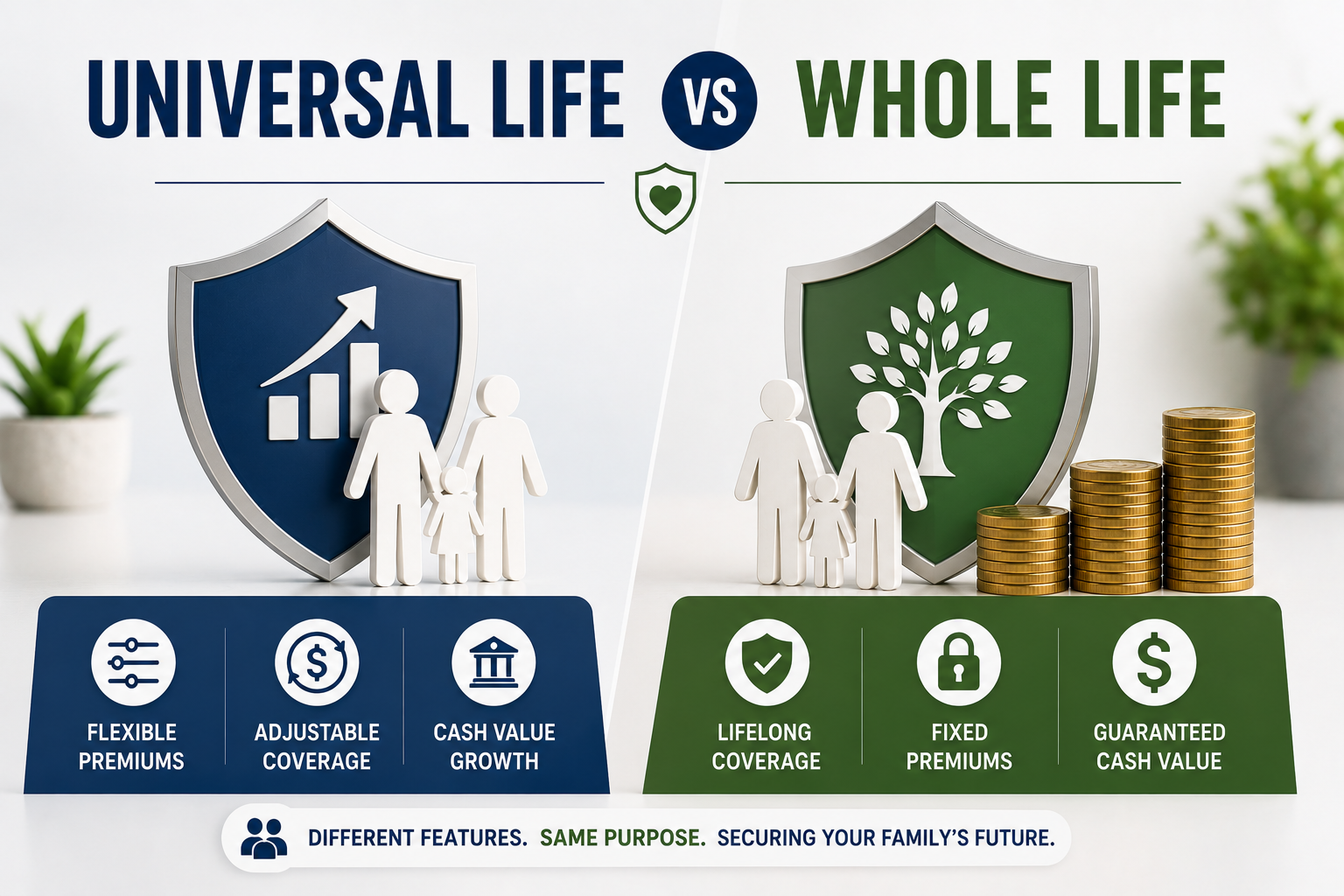
Universal Life vs Whole Life: What's the Difference?
No Medical Exam Life Insurance
No Medical Exam Life Insurance Explained
Does Auto Insurance Cover Rental Cars
what does homeowners insurance cover
What Does Homeowners Insurance Cover
Does Travel Insurance Cover Pre-Existing Conditions

Explore By Insurance Types

Auto Insurance
Business Insurance
Health Insurance
Home Insurance
Life Insurance
Travel Insurance

Frequently Asked Questions

Does life insurance cover suicide?

Yes, but typically only after the contestability period, commonly the first one to two years of the policy, has passed. Most standard policies specifically exclude suicide during this initial window, a provision known as the suicide clause, but cover it the same as any other cause of death once that period ends.

Does it cover death from a pre-existing condition?

Generally yes, provided the condition was accurately disclosed on your application. Life insurance does not exclude coverage based on a pre-existing condition itself the way some other insurance types historically did, but failing to disclose a known condition can constitute misrepresentation, which an insurer can investigate and potentially deny within the contestability period specifically because of that non-disclosure, not because of the condition itself.

Does it cover accidental death differently?

Standard coverage treats accidental death the same as any other covered cause of death, paying the base death benefit without any special distinction. An accidental death rider, if added to the policy, provides an additional payout specifically for death resulting from a covered accident, on top of the standard death benefit, rather than being required for accidental death to be covered in the first place.

Broad Coverage, With a Few Specific Limits

Life insurance covers a genuinely wide range of causes of death, and the handful of real exclusions, suicide within the contestability period, felony related deaths, and undisclosed material risks, are narrower and more specific than many people assume. Understanding the contestability period specifically, and answering your application accurately, matters more for your actual coverage than any single named exclusion, since most denied claims trace back to misrepresentation rather than the underlying cause of death itself. For guidance on how much coverage to carry once you understand what it protects, see how much life insurance you need.

Trusted Insurance Resources

Make Sure Your Coverage Matches Your Situation

Get a personalized estimate and see which riders might close gaps in a base policy.

Try Life Insurance CalculatorExplore Insurance Guides

At A Galance

Insurance Tools & Estimators

Use our free tools to estimate insurance costs before you shop. No personal information required just straight forward estimates.

Auto Insurance Calculator

Estimate your car insurance costs based on your age range, driving history, vehicle type, coverage level, & location. Understand how each factor affects your premium.

Life Insurance Needs Calculator

Calculate how much life insurance coverage your family might need based on your income, debts, and financial goals.

Health Insurance Estimator

Understand how premiums, deductible, out-of-pocket costs vary across different plans. Useful for comparing coverage options during enrollment or life change.

Business Insurance Estimator

Estimate general liability and small business insurance costs based on your industry, business size, and coverage needs.

Homeowners Insurance Calculator

Estimate how much homeowners insurance might cost based on your property value, location, and coverage needs.

Travel Insurance Calculator

Estimate trip protection costs based on your destination, trip duration, and the type of coverage you need.